
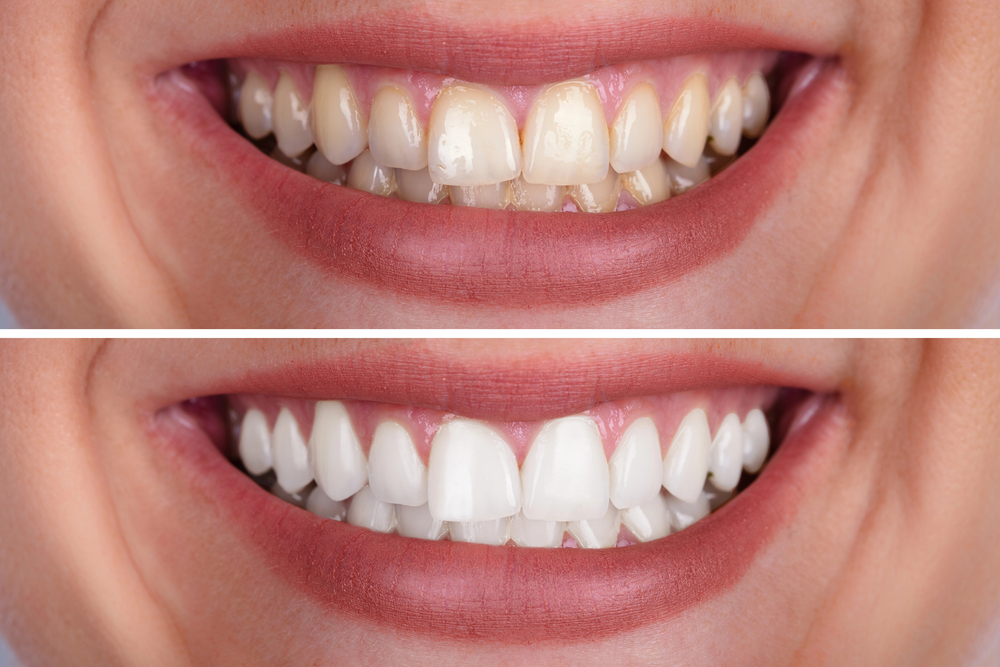
Why are my teeth yellow? This is a common concern among patients. Many people assume yellowing is a result of poor oral hygiene, but that is not always the case. The color of your teeth is influenced by enamel thickness, the foods and drinks you consume, and natural changes over time. Learning the difference between surface stains and deeper discoloration can help guide the right next steps.
Yellow teeth do not automatically mean poor oral health, but they can signal habits or conditions worth addressing. From lifestyle choices to natural enamel characteristics, many factors influence tooth color. The good news is that many causes of tooth discoloration can be improved or managed with the right approach.
Why are my teeth yellow? Common reasons explained
Teeth can turn yellow for a variety of reasons that fall into a few broad categories. These include external stains from foods and drinks, internal changes within the tooth structure, and issues related to oral health or aging.
Tooth enamel, the hard outer layer of your teeth, is naturally translucent. Beneath it lies dentin, which has a yellowish hue. When enamel becomes thinner or more porous, the underlying dentin shows through more clearly. This alone can make your teeth appear darker or more yellow over time.
Teeth staining can also occur when pigments from foods and drinks attach to the enamel surface. Poor oral hygiene allows these stains to build up, making them more noticeable. In other cases, tooth discoloration may be linked to medical factors or past dental trauma.
Are teeth naturally yellow? Understanding natural tooth color
Natural tooth color varies from person to person based on genetics, enamel thickness, and dentin color. Some people are born with thicker enamel that reflects more light, making teeth appear whiter. Others have thinner enamel, allowing the yellow tone of dentin to show through more clearly.
This variation is completely normal and does not indicate poor oral health. Chasing unnaturally white teeth can sometimes lead to overuse of whitening products, which may increase sensitivity or damage enamel. A healthy, natural-looking smile often looks better and lasts longer than an overly whitened one.
Lifestyle habits that make teeth yellow
Coffee, tea, red wine, and dark beverages
Coffee, tea, and red wine are some of the most common contributors to teeth staining. These drinks contain chromogens, dark pigments that adhere to tooth enamel. Over time, regular consumption can cause teeth to turn yellow or brown.
Acidic foods and beverages can worsen this effect by softening enamel, making it easier for stains to settle in. Rinse your mouth with water after drinking these beverages to help reduce staining, especially if you cannot brush right away.
Berries, sauces, and other staining foods
Many healthy foods can also affect tooth color. Berries, tomato-based sauces, soy sauce, and balsamic vinegar are examples of foods and drinks that contain strong pigments. While these foods offer nutritional benefits, frequent exposure can contribute to tooth discoloration.
Balancing these foods with good oral hygiene habits helps protect your teeth without avoiding them completely.
Smoking and tobacco stains
Smoking and chewing tobacco are well-known causes of yellow and brown stains. Nicotine and tar penetrate enamel and create deep discoloration that is difficult to remove with regular brushing.
Tobacco use also increases the risk of gum disease and other oral health problems. Quitting tobacco not only improves tooth color but also supports long-term dental and overall health.
Vaping and nicotine-related discoloration
Vaping is often seen as a cleaner alternative to smoking, but nicotine can still cause teeth staining. Many vaping liquids also contain acids and flavoring agents that may weaken enamel, allowing stains to develop more easily.
Even without visible smoke, nicotine exposure can affect tooth color over time.
Oral hygiene and dental factors that cause yellow teeth
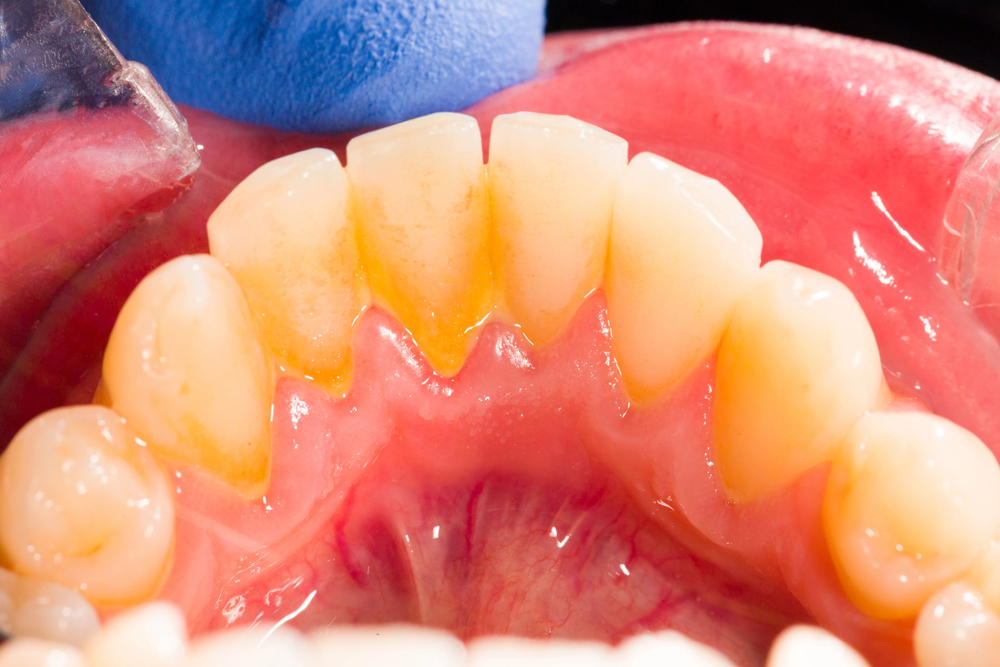
Plaque and tartar buildup
Plaque is a sticky film of bacteria that forms on teeth daily. If not removed through brushing and flossing, it hardens into tartar. Tartar has a yellow or brown color and can make teeth look dull or stained.
Professional dental cleanings are the only way to remove tartar once it forms.
Not brushing long enough or with the right technique
Brushing every day is important, but technique matters. Brushing too quickly or missing certain areas allows stains and plaque to remain on the tooth surface. Using a soft-bristle toothbrush and brushing for at least two minutes helps maintain tooth color and enamel health.
Skipping flossing and staining between teeth
Stains often develop between teeth where toothbrush bristles cannot reach. Skipping flossing allows plaque and pigments from foods and drinks to collect in these areas, making discoloration more noticeable.
Old dental work that changes color over time
Fillings, crowns, and bonding materials can change color as they age. While natural teeth may respond to whitening treatments, older dental work does not, which can create uneven tooth color.
Medical and health-related causes of yellow teeth
Medications that can discolor teeth
Certain medications can affect tooth color. Some antibiotics, antihistamines, and blood pressure medications are known to cause tooth discoloration, especially with long-term use.
Acid reflux and frequent vomiting enamel erosion
Acid reflux and conditions that cause frequent vomiting expose teeth to stomach acid. This acid erodes enamel, making teeth appear more yellow as dentin becomes more visible.
Rinsing your mouth with water after acid exposure helps protect enamel. Avoid brushing immediately, as softened enamel can be damaged by brushing.
Dry mouth and reduced saliva
Saliva helps neutralize acids and wash away food particles. Dry mouth reduces this protective effect, increasing the risk of teeth staining and decay.
Childhood factors that affect enamel development
Teeth that experienced trauma during development or were exposed to certain medications in childhood may have permanent discoloration. Teeth that experienced trauma can darken or turn yellow over time due to internal damage.
What actually works to fix yellow teeth
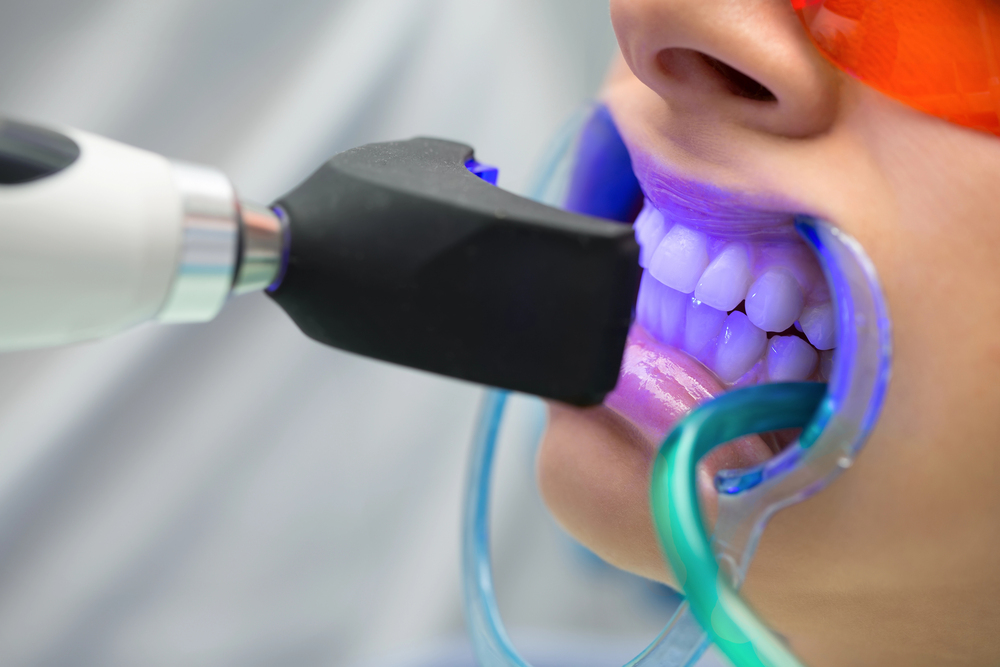
Professional teeth whitening options
Professional whitening performed by a dentist is one of the safest and most effective ways to improve tooth color. These treatments are customized to your teeth and monitored to protect enamel and reduce sensitivity.
In-office whitening can significantly brighten teeth in a short amount of time, while custom take-home trays offer gradual, controlled results.
At-home whitening and what to avoid
Over-the-counter whitening products can help with mild staining, but misuse can damage enamel. Avoid abrasive products, excessive whitening strips, or unverified home remedies. Always follow instructions and consult your dentist if you are unsure.
Can yellow teeth be prevented?
Daily habits that protect tooth color
Brushing twice daily, flossing, and maintaining regular dental visits are key to preventing tooth discoloration. Using a straw for staining beverages and rinsing your mouth after meals also helps protect enamel.
Food and drinks that help reduce staining
Crunchy fruits and vegetables like apples and carrots can help clean tooth surfaces naturally. Drinking water throughout the day supports saliva production and overall oral health.
Need help brightening your smile? Visit Ashley Harrison, DDS
If you are concerned about tooth color or wondering why your teeth are yellow despite good habits, a professional evaluation can help identify the cause and the best solution for your smile. At Ashley Harrison, DDS, patients receive personalized care focused on both appearance and long-term oral health.
A consultation can determine whether staining, enamel changes, or other factors are affecting your tooth color and which treatment options make sense for you.
Frequently asked questions
Can yellow teeth be white again?
In many cases, yes. Depending on the cause of discoloration, professional whitening or other dental treatments can significantly improve tooth color.
Is it normal to have yellow teeth?
Yes. Natural tooth color varies, and slightly yellow teeth are common and often healthy.
Why is one of my teeth yellow?
A single yellow tooth may be due to trauma, old dental work, or localized enamel damage. A dental exam can identify the cause.
Are yellow teeth healthy?
Yellow teeth can be healthy if oral hygiene is good and there is no active disease. Color alone does not determine dental health.
Why are my teeth yellow when I brush them every day?
Brushing alone may not remove all stains, especially those caused by foods and drinks, aging enamel, or internal discoloration. Professional care may be needed to address these factors.