
Overbite vs underbite is a common topic of concern for patients who notice their teeth do not fit together quite right when they bite down. Bite alignment plays a significant role in comfort, appearance, and long-term oral health. When the upper and lower teeth do not meet properly, it can lead to a range of bite problems that affect more than just your smile.
Understanding how these bite issues develop and what they mean for your teeth and jaw can help you decide when treatment is necessary and which options may be right for you. While some cases are mild and mainly cosmetic, others can contribute to jaw pain, uneven tooth wear, or more complex concerns involving the teeth and jaw.
Overbite vs underbite: what these bite issues mean
Bite alignment problems fall under a category known as types of malocclusion. Malocclusion simply means that the teeth are misaligned when the jaws close together. Two of the most common forms are overbites and underbites.
What is an overbite?
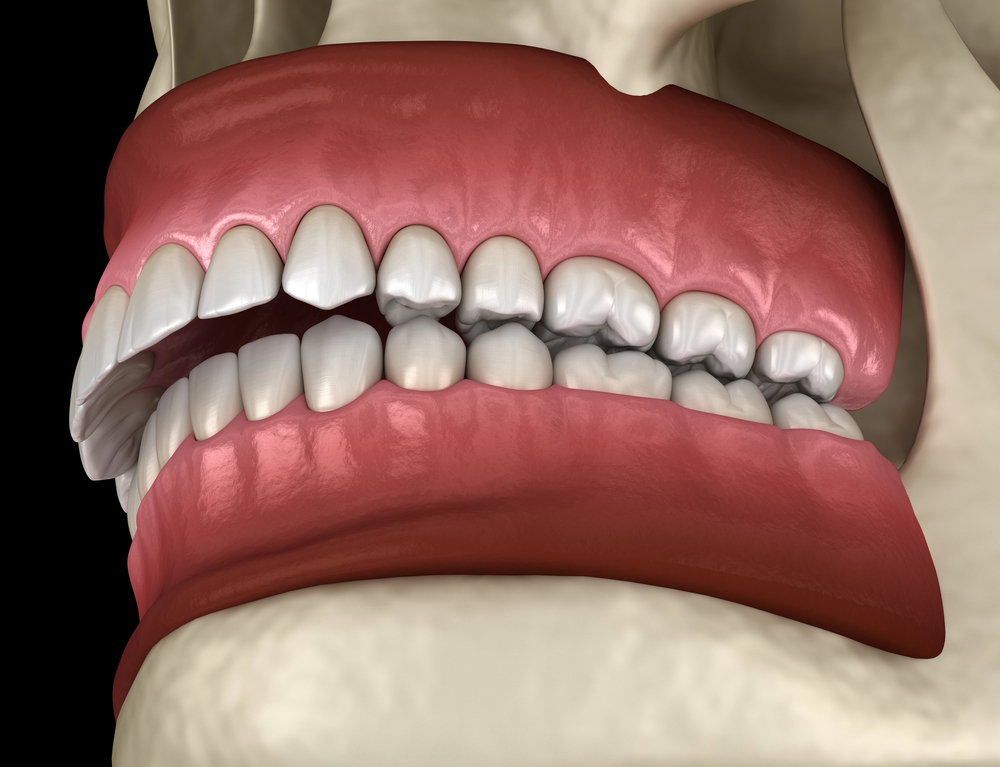
An overbite occurs when the upper front teeth extend too far over the lower front teeth. A slight overlap is normal and healthy, but when the overlap is excessive, it can cause functional and aesthetic issues. Severe overbites are sometimes referred to as buck teeth, especially when the upper teeth protrude noticeably.
An overbite occurs for a variety of reasons, including genetics, jaw growth patterns, and childhood habits. Left untreated, it can contribute to tooth wear, jaw discomfort, and difficulty with biting or chewing.
What is an underbite?
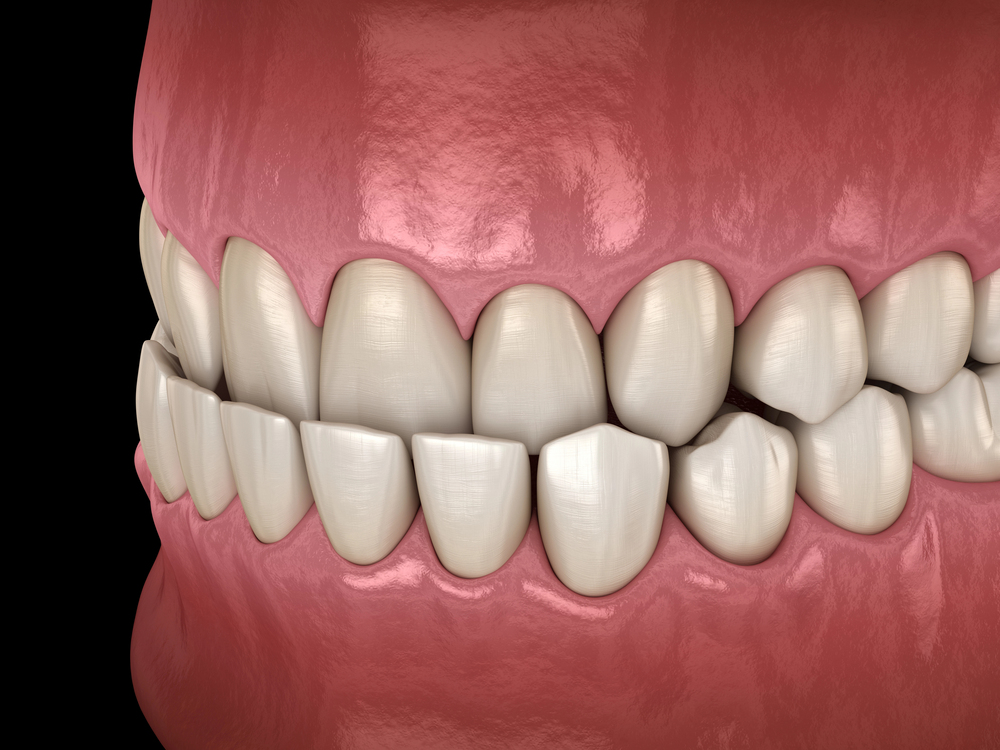
An underbite happens when the lower teeth extend past the upper teeth. This usually means the lower jaw sits forward in relation to the upper jaw. Underbites are less common than overbites but can be more complex to treat, particularly in adults.
Because underbites often involve skeletal differences in jaw growth, they may affect facial balance, speech, and chewing efficiency. In more severe cases, jaw surgery may be part of the recommended treatment plan.
Underbite vs overbite: key differences explained
While both conditions fall under bite issues, the way they affect the teeth and jaw is quite different.
How the jaw and teeth align differently
In an overbite, the upper jaw or upper teeth dominate the bite relationship, covering too much of the lower teeth. In an underbite, the lower jaw extends forward, causing the lower teeth to sit in front of the upper teeth. These differences in how the upper and lower teeth align can influence everything from chewing patterns to jaw joint health.
Both conditions can involve misaligned teeth, but underbites are more likely to be associated with skeletal differences between the jaws rather than tooth position alone.
Facial appearance and bite function differences
Overbites may make the upper teeth appear prominent, while underbites can give the chin a more forward appearance. Functionally, both can interfere with proper chewing and biting. Patients may notice uneven pressure on certain teeth, increased tooth sensitivity, or difficulty biting into foods.
What causes an overbite or underbite
There is rarely a single cause behind bite problems. Most cases result from a combination of genetic and environmental factors.
Genetics and jaw development
Jaw growth is largely influenced by genetics. If parents or close relatives had overbites or underbites, there is a higher chance their children may develop similar alignment issues. Differences in the size or position of the upper and lower jaws can directly affect how the teeth come together.
Childhood habits and airway issues
Thumb sucking, prolonged pacifier use, and tongue thrusting during early childhood can influence bite alignment. Airway issues that promote mouth breathing may also affect jaw development, increasing the risk of malocclusion.
Tooth loss, crowding, and dental factors
Early tooth loss, overcrowding, or delayed eruption of adult teeth can all contribute to bite problems. When teeth shift to fill empty spaces, it can alter bite function and worsen existing alignment concerns.
How overbites and underbites affect oral health
Bite alignment plays a critical role in protecting oral health over time.
Tooth wear, jaw pain, and TMJ issues
When the bite is misaligned, certain teeth may take on more force than others. This can lead to uneven tooth wear, cracked enamel, and sensitivity. Over time, strain on the jaw joints can contribute to jaw pain and TMJ disorders, which may include headaches, clicking sounds, or difficulty opening the mouth comfortably.
Speech, chewing, and breathing problems
Severe overbites and underbites can interfere with clear speech and efficient chewing. Some patients experience difficulty breaking down food properly, which can affect digestion. In some instances, airway issues related to jaw position may also play a role in breathing difficulties.
Treatment options available
Modern dentistry and orthodontics offer a wide range of treatment options for bite correction, tailored to each patient’s needs.
Braces and clear aligners
Orthodontic treatment with traditional braces or clear aligners can be effective for many overbite and underbite cases. These systems gradually move the teeth into better alignment, improving both function and appearance. Clear aligners may be an option for mild to moderate cases, while braces are often preferred for more complex bite problems.
Early orthodontic treatment in children
Early intervention can make a significant difference, especially when jaw growth is still occurring. Appliances such as a palatal expander may be used to guide proper development of the upper jaw. Addressing issues early can reduce the need for more invasive treatment later in life.
When surgery may be recommended
In severe cases where jaw growth discrepancies are significant, jaw surgery may be recommended as part of a comprehensive treatment plan. Surgery is typically considered only after growth is complete and is often combined with orthodontic treatment for optimal results.
Can overbites and underbites be prevented?
While not all bite issues can be prevented, early awareness can reduce severity.
Early intervention and habit correction
Identifying harmful oral habits early and addressing them can help support healthier jaw development. Regular dental visits allow dentists to monitor changes and recommend timely interventions.
Monitoring jaw growth in children
Routine dental exams during childhood provide opportunities to observe jaw growth patterns. Early orthodontic evaluations can help determine whether treatment may be beneficial and when to begin.
When to see a dentist or orthodontist
If you experience jaw pain, difficulty chewing, speech concerns, or notice that your teeth do not fit together properly, it may be time to seek professional advice. A dentist can evaluate your bite and determine whether orthodontic treatment or a referral to an orthodontist is appropriate. Early evaluation often leads to simpler and more effective treatment options.
Need help correcting an overbite or underbite? Visit Ashley Harrison, DDS
If you are concerned about your bite or want to explore treatment options for bite correction, Ashley Harrison, DDS, offers personalized care in a welcoming environment. Whether you are seeking guidance for yourself or your child, the team can help create a treatment plan that supports long-term oral health.
Patients are encouraged to schedule a free consultation to discuss concerns, review available options, and understand the next steps toward a healthier, more comfortable bite.
Frequently asked questions
How do I know if I have an overbite or an underbite?
A dental exam is the best way to determine bite alignment. Visual signs and bite discomfort may indicate an issue, but professional evaluation is key.
Can an overbite be fixed?
Yes. Many overbites can be corrected with orthodontic treatment, and early intervention often improves outcomes.
At what age should an overbite be fixed?
Evaluation often begins in childhood, but treatment can be effective at many ages, depending on severity and jaw growth.
How painful is overbite surgery?
Jaw surgery is typically reserved for severe cases. While recovery involves discomfort, pain is managed with medication and careful follow-up care.