

Noticed a dark spot on your tooth and not sure what to make of it? The cavity vs stain question comes up constantly in the dental chair, and for good reason. Not every discoloration means decay, but some stains and cavities look nearly identical without an X-ray. Knowing the difference helps you protect your tooth enamel and catch any real damage before it becomes a bigger issue.
What Is a Tooth Cavity?
A cavity is an area of permanent damage caused by tooth decay. When bacteria feed on sugar and carbohydrates in your mouth, they produce acids that wear away the hard outer layer of your teeth. Over time, that acid erosion creates a hole or pit in the enamel. Left untreated, the decay moves inward toward the nerve.
How Cavities Form and Why They Get Worse Over Time
Cavities start at the surface and work their way deeper. In the early stages, the damage stays within the enamel and causes no symptoms. As decay reaches the dentin beneath, you start to feel sensitivity to sweets, heat, or cold. By the time decay reaches the pulp, pain and swelling follow. Catching a cavity in its early stages keeps treatment for cavities simple. A small filling is far less involved than a root canal.
What Does a Cavity Look Like?
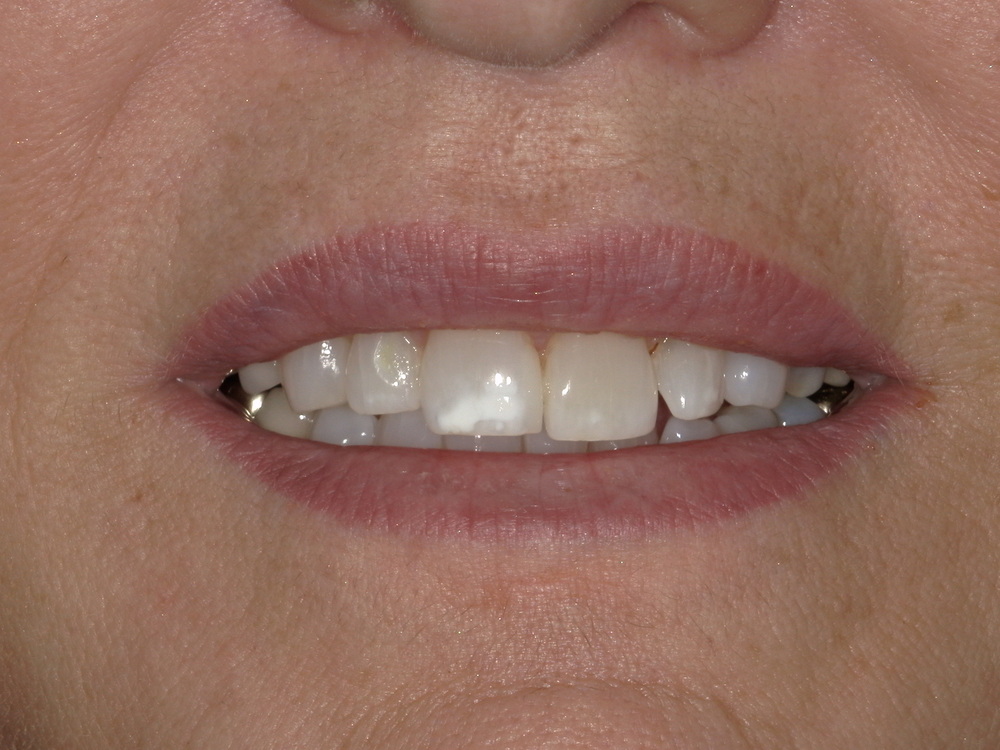
Early cavities often appear as chalky white spots where the enamel has started to weaken. As decay progresses, the spot typically darkens to brown-black. You may see a visible pit or rough patch on the tooth surface, though many cavities form between teeth and stay hidden without an X-ray. Do cavities always hurt? No. Pain usually only appears once decay has moved past the enamel.
Symptoms That Signal You Have a Cavity
Sensitivity to sweets or acidic foods is often the first clue. You might also notice a dull ache when biting, sharp pain with hot or cold temperatures, or food that keeps catching in the same spot. Any of these symptoms are worth bringing up with your dental professional
What Is a Tooth Stain?
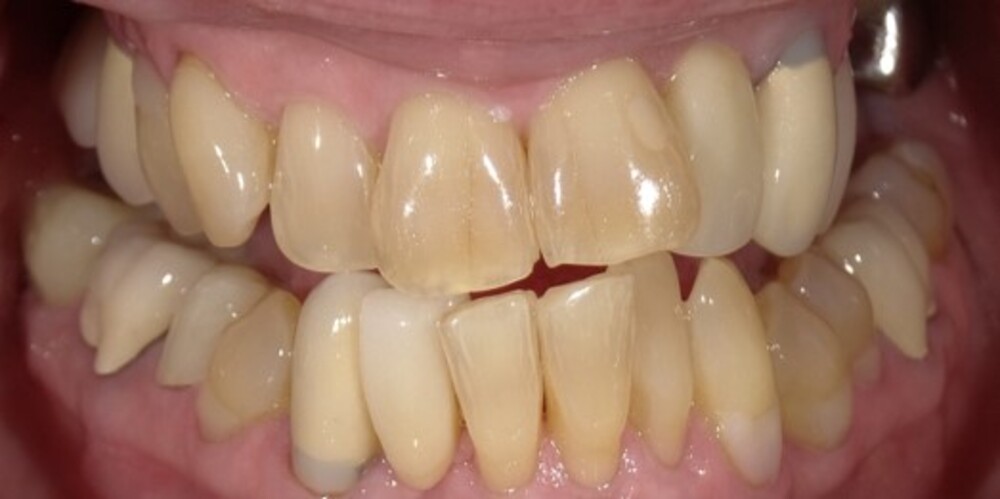
A tooth stain is discoloration on the tooth surface that does not involve structural damage. Understanding the difference between staining vs cavity is important because stains do not erode enamel or cause decay on their own. They are a cosmetic concern, not a structural one.
Extrinsic vs Intrinsic Stains: What Is the Difference?
Extrinsic stains form on the outer tooth surface from foods, drinks, and lifestyle habits. Coffee, tea, red wine, and tobacco are the most common causes of tooth staining. These stains sit on top of the enamel and typically respond well to teeth whitening or a professional cleaning. Intrinsic stains form inside the tooth structure itself, often from certain medications, excess fluoride during development, or trauma. Whitening strips and standard teeth whitening treatments do not reach intrinsic stains. Those require cosmetic solutions like veneers or bonding.
Common Causes of Tooth Staining
The biggest contributors to surface staining are acidic foods and drinks, coffee, tea, red wine, and tobacco. Acidic substances slightly soften enamel, making it easier for pigments to stick. Brushing your teeth consistently after meals and brushing and flossing daily reduces how long these substances stay in contact with your teeth.
What Do Stains Look Like and How Do They Behave?
Stains typically appear as yellow, brown-black, or gray discoloration spread across the tooth surface. They are flat rather than textured and do not cause pain or sensitivity on their own. Unlike a cavity, a stain does not actively progress. It may darken gradually with continued exposure, but it will not spread the way tooth decay does.
Cavity vs Stain: How to Tell the Difference
A few key clues can help you figure out which one you are dealing with.
Color and Location of the Spot
Stains tend to spread broadly across the tooth surface. Cavities tend to concentrate in specific spots, like grooves on back teeth, between teeth, or near the gum line. A brown black spot sitting inside a pit is more likely decay. A yellowish tint spread evenly across the front of a tooth is more likely cosmetic.
Pain, Sensitivity, and Other Symptoms
Stains cause no pain or sensitivity. If your dark spot comes with sensitivity to sweets, hot or cold temperatures, or discomfort when biting, that points toward decay rather than a surface stain. Pain that lingers after eating or wakes you up at night means you need to see a dental professional soon.
Does the Spot Come and Go or Keep Getting Worse?
Stains are stable. A cavity grows. If a spot looks larger than it did six months ago or appeared recently, get it evaluated. A spot that has looked the same for years with no symptoms is most likely a stain.
When You Cannot Tell on Your Own
Many cavities are invisible without an X-ray, especially those forming between teeth or beneath existing fillings. If you have a spot you are unsure about, only a dental exam can give you a reliable answer. Color alone is not enough to make the call.
How Are Cavities Treated?
Treatment for cavities depends on how far the decay has progressed. Small cavities caught early need only a simple filling. We remove the decayed material and fill the space to restore the tooth’s shape and function. If decay has reached the pulp, a root canal may be necessary before placing a crown. In severe cases, extraction is the only option. The earlier you treat cavities, the simpler the process. Routine exams exist largely to catch decay before it requires anything more than a filling.
How Are Tooth Stains Treated?
Extrinsic stains respond well to professional teeth whitening or a thorough cleaning. In-office treatments use stronger agents than whitening strips and deliver more consistent results. Tooth staining from intrinsic sources does not respond to bleaching. Veneers or dental bonding can cover these stains and restore a natural, even appearance. We will confirm whether your staining is extrinsic or intrinsic before recommending a plan.
How to Prevent Both Cavities and Stains
Good oral hygiene covers both. Brushing your teeth twice a day with a fluoride toothpaste strengthens tooth enamel and removes surface debris, which helps prevent tooth decay and discoloration. Brushing and flossing daily clears food particles from between teeth before bacteria have a chance to feed on them. Limiting acidic foods and sugary drinks reduces your risk on both fronts. Drinking water after meals rinses the teeth and dilutes acid. Regular visits to your dental professional for cleaning and X-rays catch early stages of decay before they require more involved work. Knowing how to choose a good dentist you trust makes staying consistent with those visits a lot easier. These habits support your oral health long term and help you maintain a brighter smile.
When to See a Dentist About a Dark Spot on Your Tooth
Any new spot on your tooth is worth mentioning at your next appointment, even without pain. If the spot comes with sensitivity, discomfort when eating, or a visible change in texture, schedule sooner. A dental X-ray takes only a few minutes and gives us a clear picture of what is happening beneath the surface. Catching tooth decay early keeps your treatment for cavities straightforward and affordable.
Schedule an Exam with Ashley Harrison, DDS
Whether you have a suspicious spot or you are just overdue for a checkup, Ashley Harrison, DDS, in Chico, can give you a clear answer. An exam and X-rays will tell you exactly whether you are dealing with a cavity vs stain, and from there, you will have a plan. Book your appointment today.
Frequently Asked Questions
How can I tell if a dark spot is a cavity or a stain?
The most reliable way is a dental exam and X-ray. At home, look for a few clues. Stains are flat, spread across the surface, and cause no pain. Cavities tend to sit in concentrated spots like grooves or pits and often come with sensitivity to sweets or temperature. A spot that is growing or has appeared recently is more concerning than one that has looked the same for years. When you are unsure, get it checked. Early stages of decay are easy to treat, and if it turns out to be a stain, you will have peace of mind.
Can a tooth stain turn into a cavity?
A stain itself does not become a cavity. Tooth staining is a cosmetic issue caused by pigments adhering to the surface. Tooth decay results from bacterial acid erosion, which is a different process entirely. That said, the same habits that cause staining, like frequent consumption of acidic foods and sugary drinks, also raise your cavity risk. It is also possible for decay to develop underneath or near a stained area, which is one reason not to dismiss any discoloration without a professional opinion.
Do cavities always hurt?
Do cavities always hurt? No. In the early stages, when decay stays within the enamel, most people feel nothing at all. Sensitivity and pain develop once decay reaches the dentin or pulp. This is why cavities often go undetected without routine X-rays. You can have active tooth decay for months with no noticeable symptoms. Regular checkups give us the chance to find and treat cavities before they cause pain or require more extensive work like a root canal.
Can I treat a tooth stain at home?
You can reduce surface staining at home with whitening strips or whitening toothpaste, but results depend on the type and depth of the stain. Extrinsic stains from coffee or tea respond reasonably well to consistent use of over-the-counter products. Intrinsic stains do not respond to topical teeth whitening at all. For the best results, a professional cleaning followed by in-office whitening delivers more predictable and longer-lasting improvement. If you are unsure what type of staining you have, a dental visit is the right first step.
What does a cavity look like in its early stages?
In the very early stages, a cavity often appears as a chalky white spot or slightly off-white patch where the enamel has begun to weaken. As decay progresses, the spot darkens to brown-black and may develop a visible pit or rough texture. Because early-stage cavities are hard to see and often form between teeth, they are frequently caught only through X-rays.