
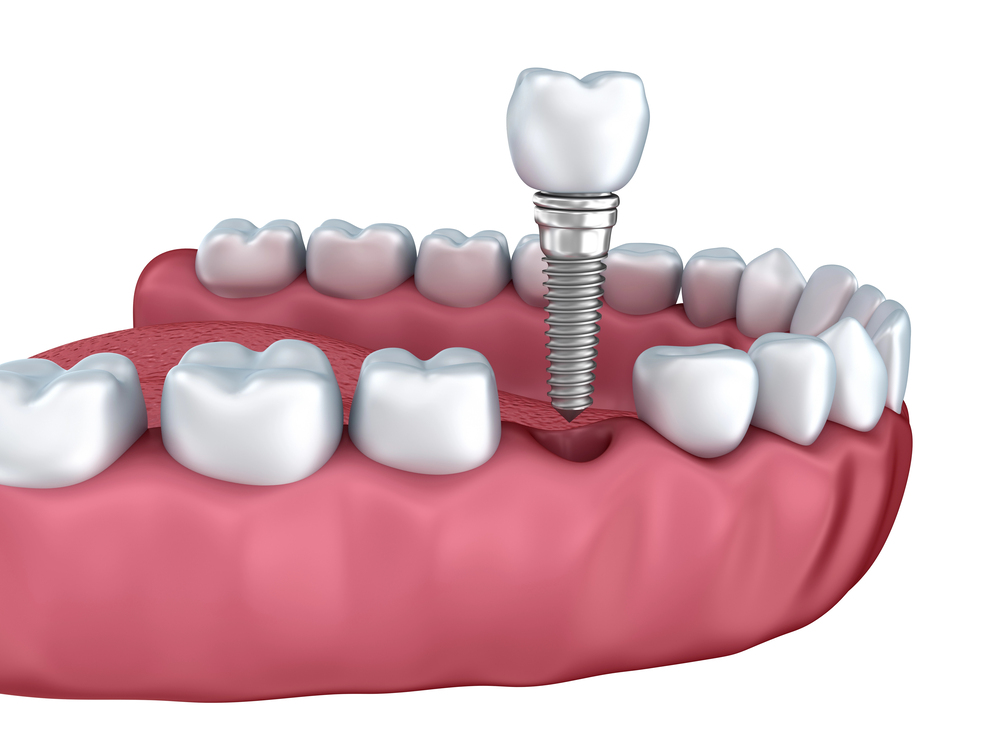
Are dental implants painful? It is one of the first questions people ask, and the honest answer is that most patients feel far less than they expected. Surgery involving the jawbone sounds intimidating. The reality, for most people, is much more manageable than the reputation suggests.
The Short Answer: Most Patients Feel Much Less Than They Expected
The good news is that most patients are surprised by how little discomfort they experience. With proper numbing in place, the procedure itself involves pressure and sensation rather than pain. Recovery brings some soreness, but patients find it comparable to or easier than having a tooth extracted. Once an implant has fully healed, it should feel completely natural.
During the Procedure: What You Actually Feel
Your dentist’s priority throughout the implant process is making sure you feel comfortable. Here is what the experience actually involves.
How Local Anesthesia Works During Implant Placement
Local anesthesia numbs the treatment area completely before implant placement begins. The numbing injection itself is typically the sharpest moment most patients experience, and even that passes quickly. Once the area is numb, you should not feel pain during the procedure. Pressure and movement are normal, but sharp pain is not. If you feel pain at any point, let your dentist know right away.
Sedation Options for Anxious Patients
For nervous patients, sedation makes a meaningful difference. Ashley Harrison, DDS, offers nitrous oxide and moderate oral sedation to help patients stay relaxed throughout the appointment. Sedation works alongside local anesthesia rather than replacing it, and it makes the experience significantly more comfortable for anyone with dental anxiety.
Pressure vs Pain: What Is the Difference
Knowing the difference between pressure and pain during the procedure sets realistic expectations. Pressure is the normal sensation of your dentist working in your mouth, including drilling and movement. None of that should be painful. Sharp pain is a signal your dentist needs to know about immediately.
After the Procedure: What Recovery Actually Feels Like
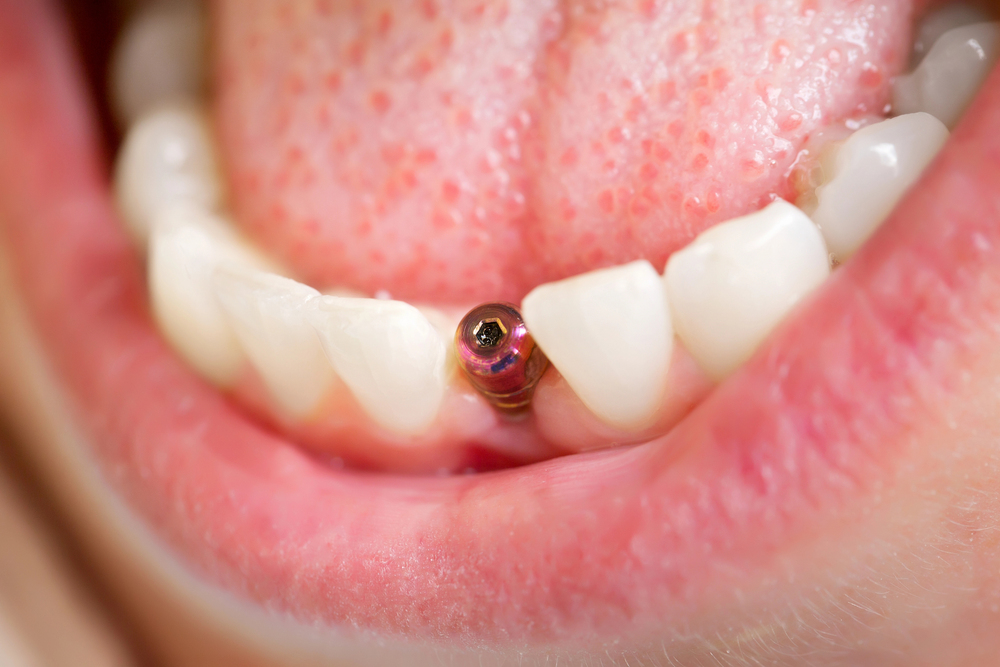
Most of the discomfort associated with dental implants happens in the days following surgery, not during it. Recovery is real, but it is manageable.
Days 1 and 2: When Discomfort Peaks
The first two days bring the most noticeable soreness. Mild swelling around the implant site is common, along with some tenderness and light bruising. Over-the-counter pain relievers handle this well for most patients. Your dentist will provide aftercare instructions and let you know if anything stronger is recommended.
Days 3 Through 5: Gradual Improvement
By day three, most patients notice clear improvement. Swelling begins to go down, and the soreness fades to mild discomfort. Sticking to soft foods and avoiding the implant site when chewing helps the healing process along. Most people can return to normal daily activities within a few days of the procedure.
Week 2 and Beyond: What to Expect as You Heal
By the second week, most discomfort has resolved. The implant then goes through osseointegration, fusing with the jawbone over several months. This phase is painless for the vast majority of patients, and your dentist will monitor healing at follow-up visits.
How to Manage Discomfort During Recovery
Over-the-counter pain medication like ibuprofen or acetaminophen works well for most patients. A cold compress on the outside of the cheek during the first 24 to 48 hours helps reduce mild swelling. Soft, cool foods protect the site while it heals, and rest matters just as much as medication.
What Makes Some Implant Procedures More Uncomfortable Than Others
Not every implant treatment is the same. A few factors influence how much discomfort a patient is likely to experience.
Number of Implants Placed
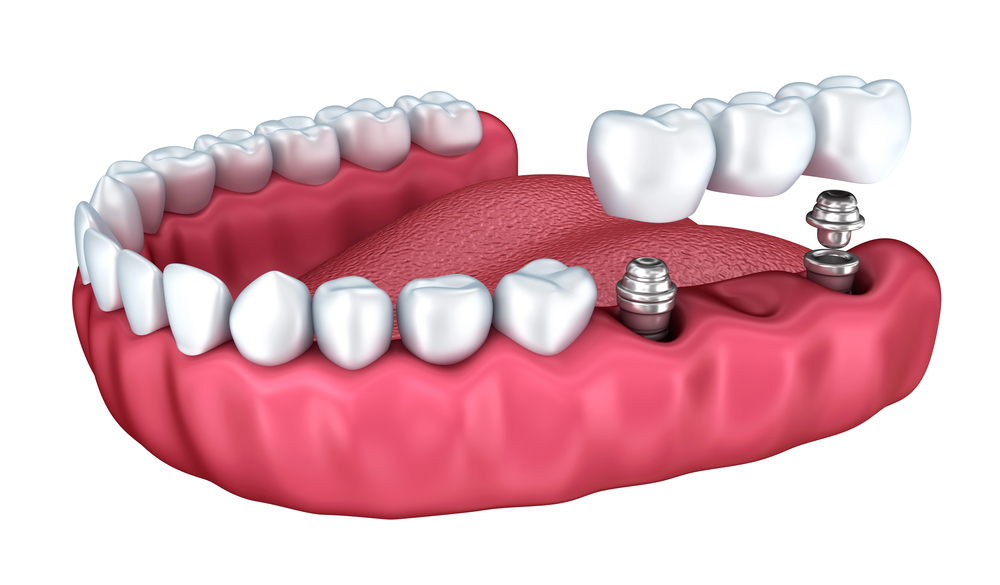
Multiple implants placed in a single appointment involve more surgical work and typically lead to more soreness during recovery. Your dentist will take this into account when discussing your aftercare.
Whether a Bone Graft Is Needed
Bone grafting is sometimes required when bone loss has occurred at the implant site. A graft extends the treatment timeline and can add recovery discomfort. Your dentist will tell you upfront whether this is part of your plan.
Individual Pain Tolerance
Every patient experiences discomfort differently. Some feel pain very little after implant surgery and get back to their routines quickly. Others take a bit longer. Neither response is unusual, and your dentist can give you a realistic preview based on your specific case.
How Do Dental Implants Compare to Other Dental Procedures?
Many patients are surprised to find that dental implant recovery is not significantly harder than recovering from an extracted tooth. Root canals and complicated extractions can involve comparable post-procedure soreness. Dental implants carry a reputation that does not always match what patients actually experience.
Normal Pain vs Warning Signs: When to Call Your Dentist
Some soreness in the days following implant placement is expected. Contact your dentist if implant pain gets worse after day three, swelling increases, you develop a fever, notice discharge from the site, or the implant feels loose. Poor oral hygiene after implant placement is one of the most common factors behind complications, so keeping the area clean matters from day one.
Once Fully Healed: Do Dental Implants Hurt Long Term?
No. Once an implant has integrated with the jawbone and the final restoration is in place, it should feel completely comfortable. A well-placed dental implant restoration causes no ongoing discomfort long-term. If you experience pain around an implant long after healing, bring it to your dentist’s attention. Staying on top of the habits that prevent tooth decay also protects implants, since the same bacterial buildup that causes decay can trigger inflammation around an implant over time.
Talk to Ashley Harrison, DDS About Dental Implants
If you have questions about dental implants or want to know whether you are a good candidate, Ashley Harrison, DDS is a dentist in Chico who can walk you through the process and answer your concerns honestly. Implants are a long-term investment in your smile and your quality of life. Schedule a consultation today.
Frequently Asked Questions
Do dental implants hurt during the procedure?
Not in the way most patients expect. Local anesthesia numbs the implant site completely before the procedure begins, so you should not feel pain during surgery. What most patients experience is pressure and sensation rather than sharp pain. The numbing injection beforehand tends to be the most noticeable moment. For patients with dental anxiety, sedation options like nitrous oxide and oral sedation are available. If at any point pain during the procedure occurs, tell your dentist immediately so the numbing can be adjusted.
How long does dental implant pain last after surgery?
The most noticeable implant pain typically occurs in the first one to two days. By day three, most patients feel significantly better. Mild discomfort can linger through the first week but usually responds well to over-the-counter pain relievers. By week two, most patients feel back to normal. The longer healing process of osseointegration takes several months but is painless. If pain increases rather than improves after the first few days, contact your dentist rather than waiting it out.
Is dental implant surgery more painful than a tooth extraction?
For most patients, the two are comparable, and many people find implant recovery easier than expected. The procedure is done under local anesthesia and involves similar pressure and sensation to having a tooth extracted. Recovery from a difficult extraction can sometimes be more intense. Individual pain tolerance plays a role. Both procedures are manageable with proper care, and your dentist can give you a realistic sense of what to expect based on your specific situation.
What does normal dental implant pain feel like vs a warning sign?
Normal implant pain is a dull soreness around the site that gradually improves over the first few days. Mild swelling and light bruising are typical. A warning sign is pain that worsens after day three, increasing swelling, fever, discharge from the site, or an implant that feels loose or unstable. These can indicate infection or another complication. Do not wait to see if it resolves on its own. Contacting your dentist promptly gives you the best chance of addressing a problem before it becomes more serious.
What can I do to manage pain after dental implant surgery?
Over-the-counter pain medication like ibuprofen or acetaminophen works well for most patients when taken as directed. A cold compress on the outside of the cheek during the first 24 to 48 hours helps keep mild swelling down. Soft, cool foods protect the implant placement site in the first few days. Avoid hard, crunchy, or sticky foods until your dentist gives the go-ahead. Good rest and following your aftercare instructions closely matter as much as any counter pain relievers. Your dentist will let you know if something stronger is recommended.
Are dental implants worth it?
For most patients, yes. Dental implants are the most complete tooth replacement option available. They look and function like natural teeth, do not rely on neighboring teeth for support the way bridges do, and preserve the jawbone in a way no other replacement can. The implant treatment involves surgery and a longer timeline, but the result can last a lifetime with proper care. Most patients find recovery more manageable than they anticipated, and the long-term result well worth it. A consultation is the best way to find out whether implants are the right fit for your situation.