
When patients start researching composite vs porcelain veneers, they are usually hoping for clarity. They want to know which option will look better, last longer, and feel most natural. The good news is that both treatments can create beautiful, confidence-boosting results when carefully planned and placed by an experienced cosmetic dentist.
If you are considering dental veneers as part of a smile makeover, it is completely normal to have questions. Understanding the differences between composite and porcelain can help you feel informed and comfortable before making a decision. Let’s walk through what you should know.
What Are Dental Veneers
Dental veneers are thin, custom-designed coverings that bond to the front of your natural teeth to improve their appearance. They are commonly used to correct discoloration, minor chips, uneven spacing, worn edges, and slight misalignment.
Veneers are a cosmetic treatment, but they also support your overall oral health when placed thoughtfully. By enhancing the shape and surface of the natural tooth, veneers can help restore balance and harmony to your smile while preserving as much tooth enamel as possible.
There are two main types of dental veneers available today: composite veneers and porcelain veneers. Understanding composite veneers vs porcelain veneers starts with knowing how each material works and what it offers.
Composite vs Porcelain Veneers: Key Differences
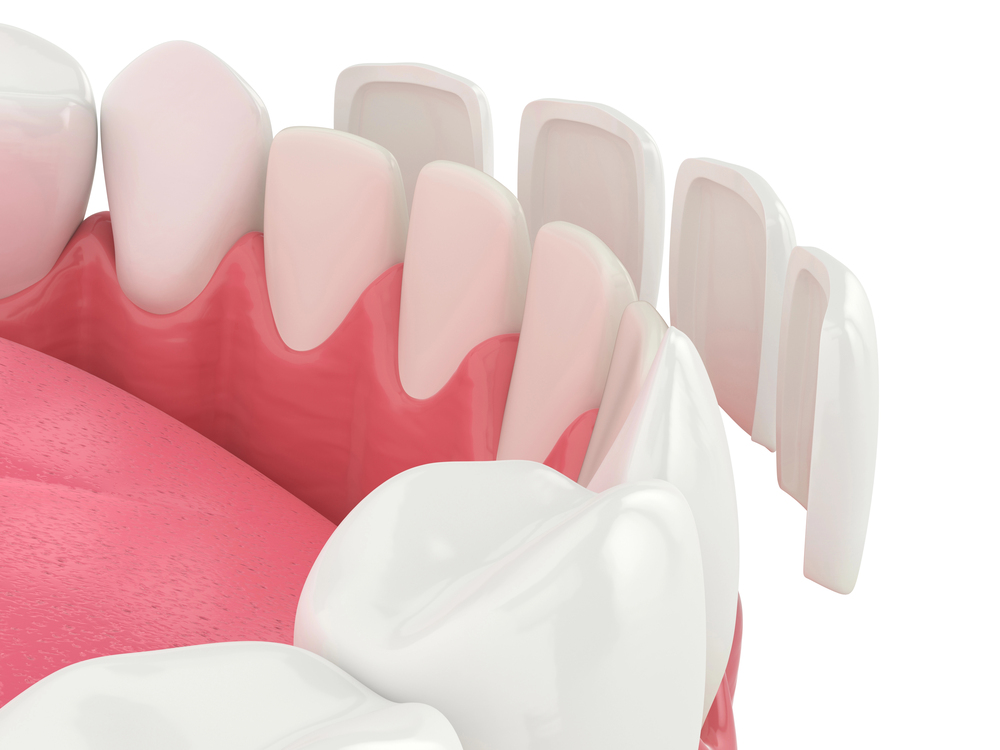
When comparing composite veneers vs porcelain veneers, the primary differences come down to materials, longevity, appearance, and cost.
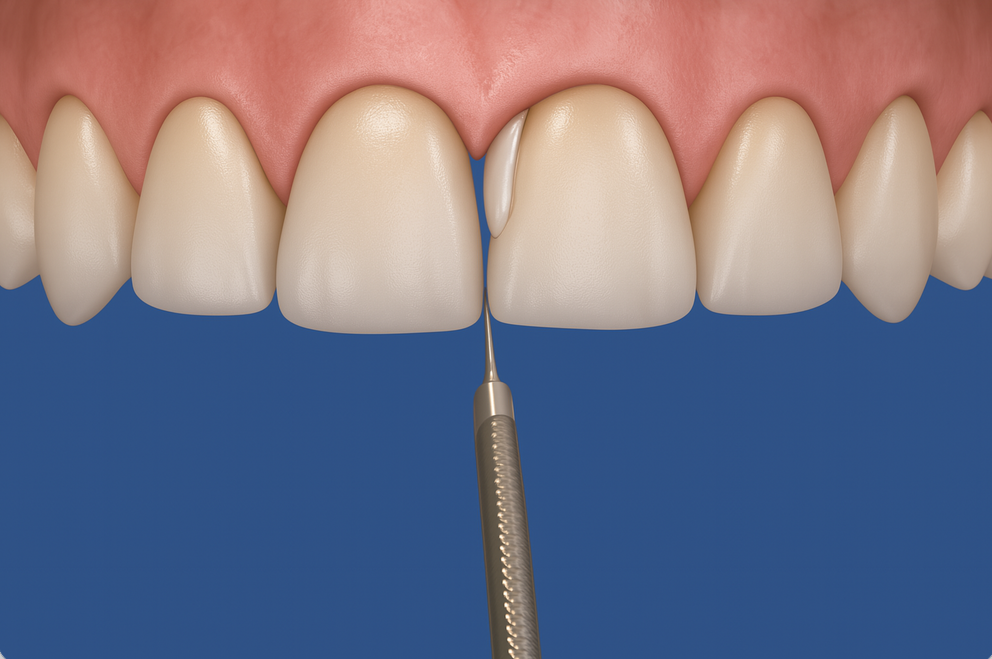
Composite veneers are made from composite resin, a tooth colored material that your dentist carefully sculpts directly onto your natural teeth. Because the material is applied and shaped in the office, it allows for immediate transformation.
Porcelain veneers are crafted from high-quality ceramic in a dental laboratory. They are custom-designed to fit your natural tooth and then bonded into place. The result is a strong, stain-resistant surface that closely mimics the way light reflects off natural teeth.
Both options focus on preserving the natural tooth structure. However, if a tooth has significant structural damage, a crown may sometimes be recommended instead. Learning more about veneers vs crowns can help you understand when each treatment is appropriate.
Appearance and Aesthetics
For many patients, appearance is the most important part of the composite vs porcelain veneers conversation.
Natural Look and Color Matching
Porcelain veneers are often praised for their lifelike appearance. They reflect light in a way that closely resembles natural teeth, which helps them blend seamlessly with the rest of your smile. Experienced cosmetic dentists take great care in matching shade, shape, and contour so the result looks balanced and natural.
Composite veneers can also look beautiful and natural when placed by a skilled cosmetic dentist. Because the composite resin is sculpted directly onto the tooth, adjustments can be made in real time during your visit. This hands-on approach allows for artistic detail and precise customization, giving you immediate improvement in the look of your smile.
When patients compare veneers vs porcelain veneers for appearance alone, porcelain often has a slight edge in translucency. However, high-quality composite work can still deliver a stunning and natural result.
Stain Resistance
One practical difference between composite and porcelain is stain resistance. Composite resin is more susceptible to staining over time, especially if you regularly drink coffee, tea, or red wine.
Porcelain veneers are far more resistant to stains and tend to maintain their brightness for many years. If keeping a bright white smile long term is a top priority, this may influence your decision in the composite veneers vs porcelain veneers discussion.
Durability and Longevity
Durability plays a major role when evaluating composite vs porcelain veneers.
How Long Composite Veneers Last
Composite veneers typically last five to seven years with good oral hygiene and consistent dental care. Because the composite material is softer than porcelain, it may chip or wear more easily over time.
The advantage is that composite veneers are easier to repair. Minor chips can often be corrected quickly in the office without replacing the entire veneer.
How Long Porcelain Veneers Last
Porcelain veneers are known for their strength and longevity. With proper care, many patients enjoy their porcelain veneers for 10 to 15 years or longer. Some even maintain them for 15 years before considering replacement.
Their durability makes porcelain a popular option for patients who want a longer-lasting solution as part of a complete smile makeover.
Cost Differences Between Composite and Porcelain Veneers
Cost is understandably an important factor in the composite vs porcelain veneers decision.
Composite veneers are generally more affordable upfront because they require fewer laboratory steps and can often be completed in a single visit. For patients who want noticeable improvement without a larger investment, this can be appealing.
Porcelain veneers involve custom fabrication in a dental laboratory, which increases the cost. However, their longevity may make them more cost-effective over time.
In most cases, dental insurance does not cover veneers since they are considered cosmetic. Our team is always happy to review your options and discuss ways to make treatment manageable.
Procedure and Treatment Time
Treatment time is another difference between composite veneers vs porcelain veneers.
Composite veneers are often completed as a one-day treatment. Your cosmetic dentist prepares the natural tooth, applies the composite resin, shapes it carefully, and polishes it in one appointment. Many patients love walking out the same day with a refreshed smile.
Porcelain veneers usually require two visits. At the first appointment, your dentist prepares the tooth enamel and takes impressions. Temporary veneers may be placed while your final restorations are crafted. At the second visit, the porcelain veneers are bonded permanently.
Both options focus on preserving the natural tooth structure while enhancing appearance.
Pros and Cons of Composite Veneers
Composite veneers offer several advantages. They are more affordable, minimally invasive, and typically completed quickly. For some patients, the ability to choose composite provides flexibility and convenience.
On the other hand, composite veneers are more susceptible to staining and may not last as long as porcelain. They may also require occasional polishing to maintain their shine.
Pros and Cons of Porcelain Veneers
Porcelain veneers are highly durable, resistant to staining, and exceptionally natural-looking. They maintain their color and surface smoothness for many years.
The primary drawbacks are cost and the need for multiple appointments. Because a small amount of tooth enamel is usually removed, porcelain veneers are also considered irreversible.
Still, for many patients comparing composite and porcelain options, the long-term results and refined aesthetics make porcelain worth considering.
Which Veneers Are Right for You
Choosing between composite vs porcelain veneers is a personal decision. Some patients value speed and affordability. Others prioritize longevity and stain resistance.
The best way to decide is through a personalized consultation. An experienced cosmetic dentist will evaluate your natural teeth, discuss your smile goals, and review your overall oral health before recommending a treatment plan.
If you are ready to explore dental veneers as part of your smile makeover, we invite you to schedule a consultation at our dental office in Chico. Our team is here to answer your questions, support your dental care goals, and help you achieve a smile that feels both beautiful and natural.
Frequently Asked Questions
Are porcelain or composite veneers better?
Both options have benefits. When comparing composite veneers vs porcelain veneers, porcelain typically offers greater durability and stain resistance, while composite provides a more affordable and faster solution.
What are the disadvantages of composite veneers?
Composite veneers are more susceptible to staining and may not last as long as porcelain. They may also require occasional repairs over time.
Which veneers look most natural?
Porcelain veneers are often considered the most natural-looking because they closely mimic the translucency of natural teeth. However, skilled cosmetic dentists can create beautiful, natural results with composite veneers as well.
Do porcelain veneers last longer than composite veneers?
Yes, porcelain veneers generally last longer. With proper oral hygiene and regular dental care, porcelain veneers often last 10 to 15 years, while composite veneers typically last five to seven years.