
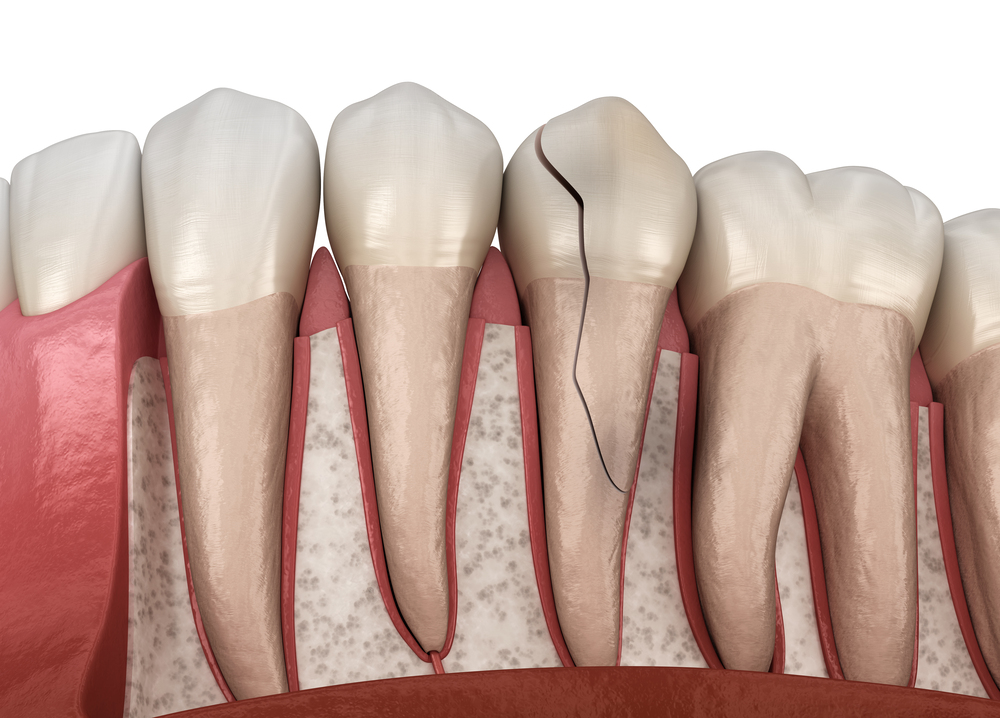
Does a cracked tooth need to be pulled? Not always. The answer depends on the type of crack, how deep it goes, and whether the tooth can still function with treatment. Some cracked teeth respond well to a crown or bonding. Others have damage too far gone to save.
What makes cracked teeth tricky is that two cracks can look similar on the surface but require completely different treatment. A hairline fracture in the enamel is worlds apart from a split that has worked its way into the root. At Ashley Harrison, DDS, we look at the whole picture before making a call. Understanding what goes into that evaluation helps you make a confident decision about your cracked tooth treatment and know what to expect at your appointment.
Signs You May Have a Cracked Tooth
Cracked teeth do not always look broken. Common signs include pain when biting, pain when chewing that fades quickly, and sensitivity to hot or cold that lingers. Some patients notice discomfort, specifically when eating hard foods like nuts, hard candy, and even popcorn kernels. Symptoms can come and go, which makes cracks easy to dismiss. If your pain is inconsistent or hard to pin down, a crack is often the first thing we will investigate.
The 5 Types of Cracked Teeth and What They Mean
Not every crack is the same. The type you have determines what treatment is on the table.
Craze Lines
Tiny surface cracks limited to the outer enamel. Very common, painless, and cosmetic. No treatment needed.
Fractured Cusp
A piece of the chewing surface breaks off, often around a filling. It rarely reaches the pulp, so pain is usually minimal. A dental crown or dental bonding typically restores the tooth.
Cracked Tooth
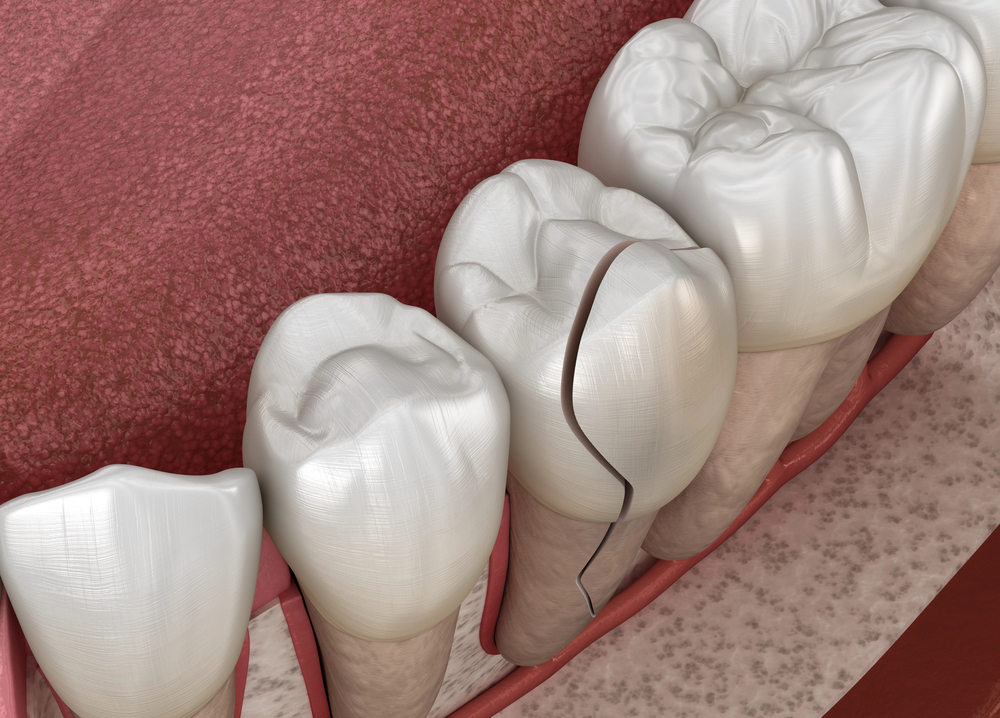
A fracture that starts at the chewing surface and travels toward the root. If the crack reaches the pulp, nerve pain follows. Early treatment often saves the tooth. Waiting allows the crack to extend and narrows your options.
Split Tooth
What happens when a cracked tooth goes untreated long enough to separate into two segments. The tooth usually cannot be saved entirely. Extraction is often necessary.
Vertical Root Fracture
A fracture that starts at the root and travels upward. Symptoms are often minimal until cracks lead to infection or abscess. Because the damage sits below the gum line, extraction is almost always required.
When a Cracked Tooth Can Be Saved
Many cracked teeth are treatable without extraction. We will assess the crack’s depth and location to recommend the right approach.
Dental Bonding
Works well for minor surface cracks that have not reached the pulp. Best suited for front teeth and early-stage damage where most of the tooth structure remains intact.
Dental Crown
Covers the entire visible tooth and holds the crack together to prevent spreading. Crowns work well for fractured cusps and cracks that have not yet reached the root. Acting early protects both the tooth and the nerve.
Root Canal Therapy
When a crack reaches the pulp and causes infection or nerve pain, root canal therapy removes the damaged tissue and saves the tooth. A crown is placed afterward for long-term protection. Success rates are strong when the crack has not traveled below the gum line.
When a Cracked Tooth Needs to Be Pulled
Extraction is never the first choice, but it is sometimes the right one. We may recommend pulling the tooth when:
The Crack Extends Below the Gum Line
Cracks that reach below the gum line cannot be reliably treated with a crown or root canal. Bacteria continue to invade the root, threatening the surrounding bone. Extraction stops the damage.
Severe Infection or Abscess Is Present
When decay and bacteria reach deep into the root and surrounding tissue, infection can spread to the jaw and neighboring teeth. If the tooth cannot be structurally saved, extraction protects the rest of your mouth.
The Tooth Has Split With No Salvageable Structure
A fully split tooth with nothing worth preserving above the gum line needs to come out. In some molar cases, we may save one root, but full extraction is more common when the split is severe.
How to Prevent a Cracked Tooth
Teeth grinding is one of the most common causes of cracked teeth, especially in back molars. A custom nightguard protects your chewing surface while you sleep. Wearing a mouthguard during contact sports, avoiding hard candies and ice, and keeping up with routine dental exams all reduce your risk. Regular checkups allow us to spot weakened spots before they become full cracks.
See Ashley Harrison, DDS, for a Cracked Tooth Evaluation
Tooth pain and suspected cracks deserve a proper look. Ashley Harrison, DDS, in Chico, can evaluate the damage, walk you through your options, and help you keep as much of your natural tooth as possible. Schedule your appointment and get a clear answer about your cracked tooth treatment today.
Frequently Asked Questions
Can a cracked tooth be fixed?
Yes, many cracked teeth can be fixed. The right treatment depends on the type and severity of the crack. Surface cracks and fractured cusps often respond well to bonding or a dental crown. Cracks that reach the pulp may require root canal therapy before a crown is placed. The key is acting before the crack extends toward or below the gum line. Once a fracture reaches the root or causes the tooth to split, saving it becomes much harder. If you notice any symptoms of a cracked tooth, schedule an exam sooner rather than later.
How are cracked teeth fixed?
Treatment depends on where the crack is and how deep it goes. Minor cracks may only need bonding or light smoothing. A crack that has not reached the nerve typically calls for a dental crown, which holds the tooth together and prevents the fracture from spreading. If the pulp is involved, root canal therapy clears the infection and removes damaged tissue before a crown is placed. When the damage is too extensive, tooth extraction followed by an implant or bridge is the appropriate path. We use X-rays to assess the full extent before recommending a plan.
How do you know if your tooth is cracked?
Common signs include pain when biting or chewing, sensitivity to hot or cold that fades once the source is removed, and discomfort that comes and goes without a clear cause. Some patients feel pain when eating hard or crunchy foods like popcorn kernels. In other cases, there are no symptoms at all, and the crack only shows up on a dental X-ray. If you have any unexplained tooth pain, even mild or occasional, it is worth mentioning at your next appointment. Catching a crack early keeps your treatment options simple and affordable.
Does a broken tooth need to be pulled?
Not always. Many broken teeth can be restored with a crown, bonding, or root canal therapy if enough healthy tooth structure remains and the root is intact. Extraction becomes necessary when the crack extends below the gum line, when severe infection has spread to the surrounding bone, or when the tooth has split beyond repair. If you are dealing with a broken tooth, the best move is to get it evaluated quickly.