

Root canal recovery is usually far easier than most people imagine. Many patients are surprised to learn that the discomfort they felt before treatment was actually worse than anything they experience afterward. Despite its reputation, a root canal procedure is designed to relieve pain by removing infection and protecting the natural tooth.
If you are preparing for treatment or currently recovering, understanding what to expect during root canal recovery can bring real peace of mind. We will walk you through the recovery process, explain what is considered normal, and share simple steps to help you heal comfortably and confidently.
What Happens After a Root Canal
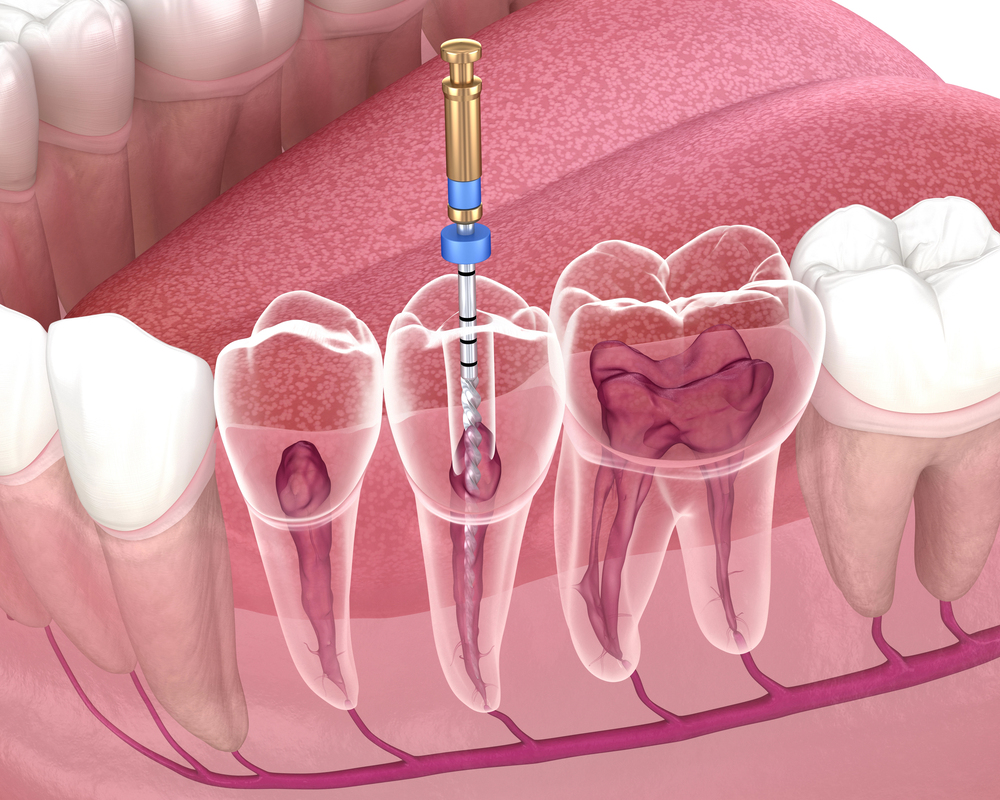
Once the root canal treatment is completed, the infected or inflamed tissue inside the tooth is removed, and the chamber inside the tooth is cleaned and sealed. The tooth is then covered with a temporary filling, and the patient is asked to return for the permanent crown. It is important to have a permanent crown or filling placed as soon as possible to protect the tooth from cracking or the temporary filling breaking down, unless otherwise directed by your dentist. If you have ever wondered about the difference between root canal vs extraction, it is helpful to know that a root canal is specifically designed to preserve your natural tooth whenever possible.
Because this procedure treats the inner portion of the tooth, the treated area often feels tender once the numbness from the treatment goes away. The tissues in the treated area typically feel tender as the healing process begins.
In most cases, you can resume your normal activities the same day. Root canal treatment is designed to stop pain at its source, and with today’s technology, it is a straightforward and reliable way to preserve your natural tooth.
Root Canal Recovery Time: What to Expect
The recovery period after a root canal procedure varies slightly depending on the individual, but generally, patients feel much better within a few days. The soreness of the treated tooth may last between three and seven days after the procedure. The recovery time for root canal treatment is typically short and manageable for most patients.
During the first 24 to 48 hours after the procedure, you may feel tenderness in the treated tooth. You may also feel sensitivity in the tooth. However, this is just part of the recovery process. You will feel better with time. By the end of the first week after the dental procedure, you should feel back to normal.
We often recommend medication to support the recovery process. In cases of infection, we prescribe antibiotics to eliminate bacteria and protect the treated tooth. Some inflammation can occur after a root canal procedure, so we may also prescribe anti-inflammatory medication. Over-the-counter pain relievers can help manage mild discomfort during root canal recovery.
It is important to note that you need to make an appointment to get a permanent crown. The crown helps to prevent the treated tooth from breaking and protects the long-term success of your root canal treatment.
Common Symptoms During Root Canal Recovery
Understanding what is normal after a root canal helps ease anxiety and makes recovery feel far less overwhelming. For most patients, the healing process is smooth and predictable.
Mild Pain or Sensitivity
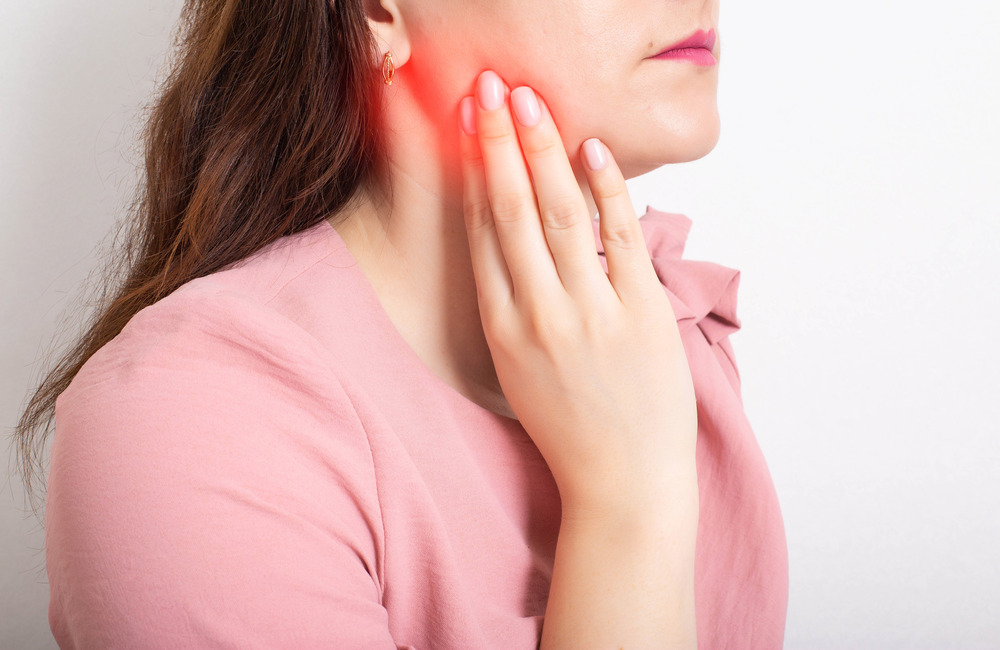
The most common symptom during root canal recovery is mild tenderness. The treated tooth may feel sensitive, particularly when chewing. This is a normal part of the healing process and typically improves within a few days.
Swelling or Tenderness
Some patients notice mild swelling or tenderness in the gum tissue around the treated tooth. Applying a cold compress to the outside of the cheek for short intervals can help reduce inflammation and provide relief.
The swelling should gradually improve on its own over the next few days. If it becomes more pronounced instead of better, it is important to contact us so the area can be evaluated.
Jaw Soreness
Because you need to keep your mouth open during the root canal procedure, you may notice some temporary jaw soreness afterward. This is more common in patients who already experience jaw tension or clenching.
Gentle jaw stretches and allowing the muscles to rest can help ease discomfort as they relax over the next day or two.
Tips to Heal Faster After a Root Canal
Supporting your body during the healing process can make a meaningful difference and help ensure a smooth recovery.
Managing Pain and Inflammation
Take your prescribed medications exactly as directed. Even if you begin to feel better quickly, continue taking antibiotics as instructed to ensure the infection fully clears.
Applying a cold compress to the outside of your cheek for 10 to 15-minute intervals can help reduce inflammation and ease discomfort. If possible, try to rest during the first 24 hours. Giving your body time to recover can speed up the healing process.
Most importantly, listen to your body. The recovery time is usually short, but taking it easy for a day or two can make a noticeable difference in how you feel.
Eating and Drinking Safely
Stick to soft foods for the first few days. Mashed potatoes, yogurt, scrambled eggs, smoothies, and soup are all good options. Avoid chewing on the side where the temporary filling was placed.
If you notice sensitivity, try to avoid very hot or very cold foods. Hard, crunchy, or sticky foods can damage the temporary filling and should be avoided until your permanent crown is placed.
As the treated area becomes more comfortable, you can gradually return to your normal eating habits.
Oral Hygiene During Recovery
Maintaining good oral health is important, even while you are recovering from a root canal treatment. Continue to brush and floss gently around the area. Keeping your mouth clean supports the healing process and helps prevent additional irritation.
Be mindful of the temporary filling and avoid brushing aggressively. Once your permanent crown is in place, you can return to your normal brushing and flossing routine without any changes.
What to Avoid During Root Canal Recovery
Avoid chewing hard foods on the treated side until your permanent crown is placed. During this time, the treated tooth can be more vulnerable to fracture.
Do not skip your follow-up appointment. A temporary filling is not designed for long-term use, and delaying your visit could increase the risk of damage or reinfection.
It is also best to avoid smoking or using tobacco during root canal recovery. Tobacco can interfere with the healing process and negatively affect your overall oral health.
Finally, do not ignore persistent pain or swelling. While the recovery process is typically smooth, any symptoms that worsen or feel unusual should be evaluated by your dentist.
When to Call Your Dentist
If you have severe pain that does not improve with medication, swelling that increases after a few days, or signs of infection such as fever, contact us right away.
If your temporary filling comes loose or falls out, contact our office immediately. The tooth that underwent a root canal procedure must be protected to avoid any complications.
We are there to help and guide you during your recovery time to ensure that your root canal procedure is successful.
How to Prevent Future Root Canals
The best way to avoid root canal procedures in the future is to take good care of your teeth. Regular check-ups and cleanings allow your dentist to catch any problems before they reach a point that requires a root canal.
Brushing and flossing your teeth regularly also helps prevent infections and decay that may reach the pulp of your teeth. If you are experiencing any pain and swelling in your teeth, do not hesitate to seek treatment.
If you have any questions about root canal recovery or need to schedule an appointment to receive treatment, we are here to help. Our goal is to make sure that you feel comfortable and relaxed throughout your entire process. Schedule an appointment today at our dental office in Chico to protect your teeth and keep them healthy for years to come.
Frequently Asked Questions
How long is the pain after a root canal?
The general recovery time after a root canal procedure is between three and seven days. The recovery time varies depending on the severity of the original infection. The pain will get progressively better every day.
What should you not do after a root canal?
Avoid chewing on the treated tooth until you get your permanent crown. Do not skip any prescribed medications. Also, avoid any food that might damage your temporary filling.
What helps pain after root canal?
Over-the-counter pain relievers, prescribed medications, rest, and a cold compress may help relieve discomfort. The key to a smooth recovery is to follow your dentist’s after-care advice.
When can you eat normally after a root canal?
After having a root canal procedure, you may start eating normally after the numbness has gone away. However, it is advised to avoid chewing on that side until you get your permanent crown.