

Many patients want to understand the differences between a root canal vs extraction, especially when they are experiencing discomfort or dealing with a damaged tooth. Each option has its own purpose, and the best choice depends on how much healthy tooth structure remains and what will support comfort over time. In our practice, we aim to save natural teeth when possible, but we also help patients choose the treatment that will provide the most dependable outcome.
Root canal vs extraction: What these treatments mean
What a root canal does
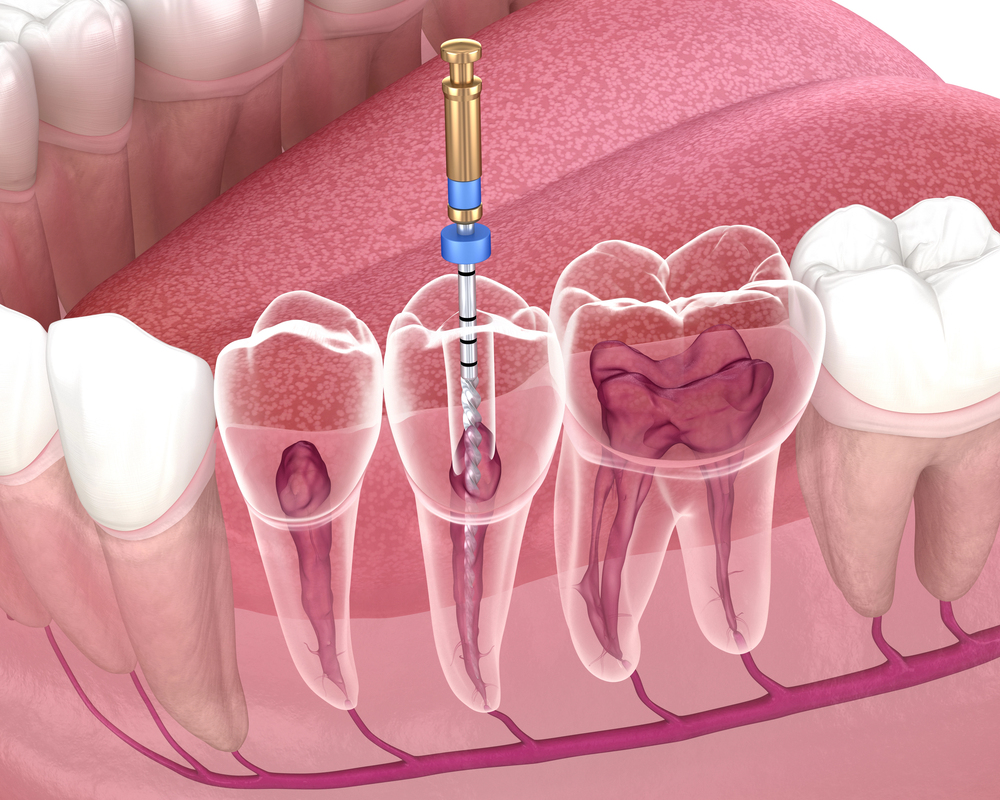
A root canal procedure clears out the infected pulp inside the tooth. During treatment, we remove the damaged tissue, clean and disinfect the inside of the tooth, and then seal it with a temporary filling or a final restoration. The goal is to save the natural tooth, relieve pain, and stop the infection from spreading. With modern techniques, root canals are comfortable, efficient dental procedures that allow a treated tooth to function normally again.
What a tooth extraction involves
A tooth extraction removes the entire tooth from the mouth. This may be recommended when the tooth cannot be restored or would not survive long-term. While extraction resolves infection and discomfort, it also creates a space that will eventually need to be replaced to prevent shifting or bite issues. Replacement options include implants, bridges, or partial dentures.
When dentists recommend a root canal or extraction
Situations where a root canal saves the tooth
We typically recommend a root canal treatment when the tooth can still be preserved. This includes cases of deep decay, inflammation of the pulp, or infection that has not yet caused severe structural damage. Saving natural teeth is often the best approach for stability, comfort, and function.
When extraction becomes the better choice
There are situations where saving the tooth may not be possible. Examples include teeth with vertical fractures, insufficient remaining structure, or repeated infections that compromise the area. In these cases, removal becomes the healthiest long-term choice. Once healed, we can discuss replacement options that restore comfort and function.
Symptoms that suggest you may need a root canal or extraction
Signs of severe infection or nerve damage
Some symptoms may indicate that the pulp is inflamed or infected. These can include:
-
- lingering sensitivity to heat or cold
-
- spontaneous or throbbing pain
-
- swelling or tenderness in the gums
-
- discomfort when chewing
-
- darkening of the tooth
These signs suggest that the tooth may need intervention to prevent the infection from spreading.
Signs a tooth may not be savable
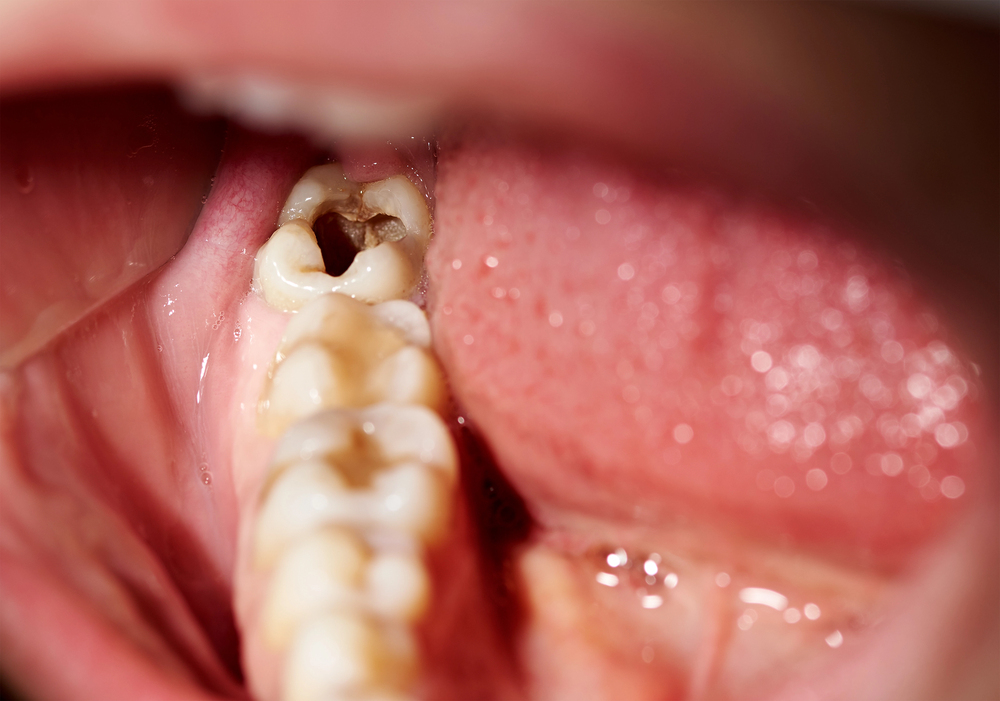
Certain symptoms can point toward the need for an extraction. These include:
-
- extensive decay that reaches below the gumline
-
- severe cracks or fractures
-
- significant loss of tooth structure
-
- mobility caused by infection or bone loss
When we assess the tooth, we evaluate whether it can be rebuilt or whether extraction will offer a more stable outcome.
Root canal recovery vs extraction recovery
What to expect after a root canal
Root canal recovery tends to be smooth for most patients. Mild soreness is normal for the first couple of days, especially when biting down, but this typically fades quickly. Eating soft foods during the early phase of the healing process can help minimize sensitivity. The recovery process is generally faster compared to extraction, since the tooth stays in place and the tissues heal without a large open site. Patients often return to normal activities within a day.
What to expect after extraction
Recovery from a tooth extraction takes longer because the body must close the socket and rebuild bone. It is normal to experience swelling, tenderness, and some bleeding on the first day. We provide detailed instructions to protect the site, including avoiding straws and smoking. A careful diet of soft foods helps protect the area. While the initial healing usually takes one to two weeks, full bone healing can take several months.
Healing timelines and aftercare differences
The most noticeable difference between the two procedures is the timeline. Root canals generally have a short canal recovery period, and patients often feel back to normal quickly. Extractions require more careful aftercare and a longer healing timeline. We walk patients through each step of recovering from a root canal or an extraction to ensure comfort and a predictable outcome.
Comparing root canal vs extraction: benefits and risks
Risks and complications to be aware of
Any treatment involving the teeth and gums carries some risks. For root canals, complications may include persistent inflammation if the canal cannot be fully cleaned. For extractions, risks include dry socket, infection, or delayed healing. With careful planning and follow-up, these risks remain low.
Pros and cons of saving vs removing a tooth
Saving a tooth with a root canal maintains natural tooth structure, preserves bite alignment, and avoids the need for replacement. The treated tooth often lasts many years with proper care.
Removing the tooth eliminates infection quickly, but it also creates a space that affects chewing, alignment, and long-term oral health. A replacement will eventually be needed to prevent movement in the surrounding teeth and preserve jaw structure.
What happens if you avoid treatment?
Risks of delaying a root canal
Delaying treatment allows infection to spread into nearby tissues or even enter the bloodstream. Pain usually increases, and the tooth may eventually become unsalvageable. Treating the issue early preserves more natural structure and prevents deeper complications.
Risks of delaying an extraction
If removal is necessary but postponed, swelling, bone loss, and spreading infection may occur. Delayed extraction can also complicate future replacement options, since bone and gum tissue may deteriorate over time.
How to choose between a root canal or extraction
Structural health of the tooth
When deciding between root canal or extraction, we look closely at the tooth’s remaining structure. If the tooth has enough healthy material to support a long-term restoration, a root canal is often the preferred choice. When the damage is too extensive, extraction becomes the more predictable option.
Budget, timeline, and long-term oral health
Each treatment comes with its own costs, timeline, and long-term considerations. While extraction may seem simpler at first, the need for replacement can make it more involved in the long term. Root canals tend to have a quicker recovery and preserve the natural bite. We take the time to explain these factors so patients can choose the option that aligns with their goals.
Need help deciding? Visit Ashley Harrison, DDS
Choosing between a root canal and an extraction can feel overwhelming, but we are here to guide you through each step. Our team of dental professionals focuses on preserving natural teeth whenever possible, relieving discomfort, and supporting overall health. If you are experiencing pain, swelling, or signs of infection, we encourage you to schedule a visit so we can help you decide the best treatment path.
FAQ
How long does a root canal take?
Most root canal appointments take about one to two hours, depending on the complexity of the tooth and the number of canals involved. Molars often require more time because they have multiple canals, while front teeth may be completed more quickly. In some cases, treatment is completed in one visit. Others may require a follow-up appointment to finish cleaning or to place the final restoration. We discuss the full plan before treatment begins so patients know exactly what to expect.
Does a root canal hurt?
Modern root canal treatment is designed to be comfortable. We numb the area thoroughly, and patients usually feel relief once the infected pulp is removed. Some mild soreness may occur afterward, but this typically lasts only a short time and can be managed with over-the-counter medication. Many patients are surprised by how smooth the experience is compared to what they imagined.
How do I know if I need a root canal?
Common signs include lingering sensitivity, spontaneous pain, tenderness when chewing, temperature sensitivity, swelling in the gums, or a darkened tooth. These symptoms suggest inflammation or infection inside the tooth. We perform a full evaluation, including X-rays and testing, to determine whether root canal treatment will relieve the pain and preserve the tooth.
Should I get a root canal or extraction?
The best option depends on the condition of the tooth and your goals. We always aim to save a natural tooth when it is structurally sound enough to support a restoration. If the tooth is too damaged or cannot be rebuilt predictably, extraction becomes the healthier choice. During an exam, we walk through both options, explain what the healing process looks like, and help you choose the treatment that fits your needs.