
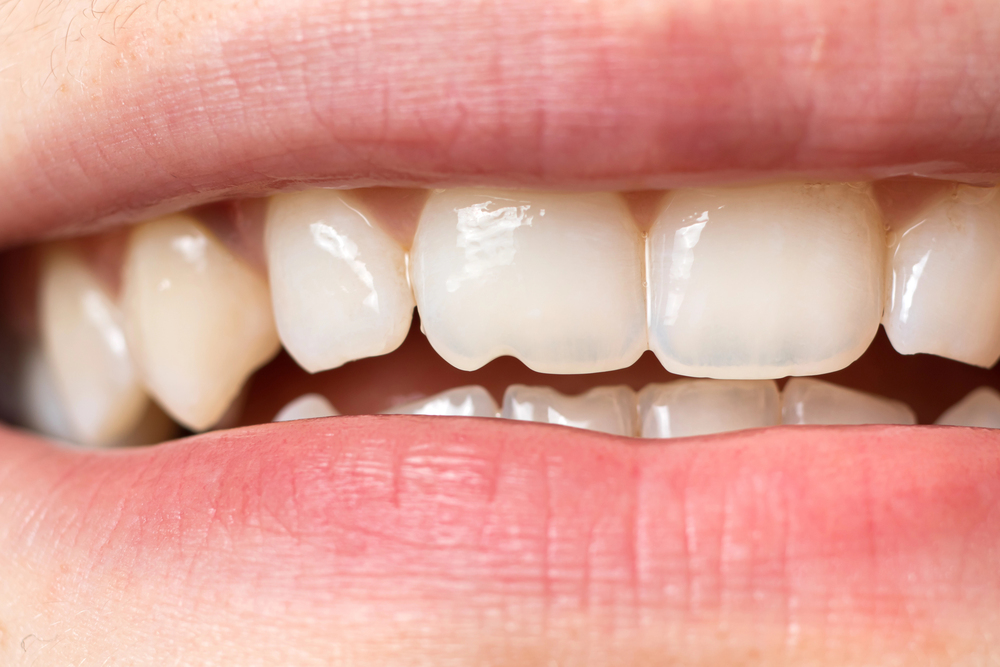
Knowing how to fix a chipped tooth starts with understanding how much damage was done. A tiny chip on the edge of the front teeth is a very different situation from a break that exposes the nerve. The right chipped tooth repair depends on the size of the chip, which tooth is affected, and whether the inner structure is involved.
What Happens When You Chip a Tooth?
Chipping a chipped tooth is more common than most people expect. Biting down on something hard, a sports injury, or even a minor fall can all do it. What matters most is what happens next.
Minor Chips vs. Severe Breaks: What Is the Difference?
Small chips affect only the outer enamel and do not involve the nerve or pulp. They may cause some sensitivity, but are rarely painful. Large chips or fractures that reach the dentin or pulp are more serious. These can cause significant pain, increase sensitivity, and create an opening for bacteria to enter the natural tooth.
When to Treat a Chipped Tooth as a Dental Emergency
Not every chipped tooth requires emergency care, but some do. If you are in significant pain, if the tooth is bleeding, if a large portion has broken off, or if a sharp edge is cutting your tongue or cheek, call your dentist that day. Leaving an exposed nerve unprotected leads to infection quickly.
What to Do Immediately After Chipping a Tooth
First Aid Steps Before Your Dental Appointment
Rinse your mouth gently with salt water to keep the area clean. If you can find the broken piece, store it in a small container with milk or water and bring it to your appointment. Avoid chewing on the affected side, and soft foods are your best option until you are seen.
Managing Pain and Protecting the Damaged Area
Over-the-counter pain relievers can manage discomfort in the short term. If a sharp edge is irritating the inside of your mouth, dental wax from a pharmacy can cover it temporarily. Avoid very hot or cold foods and beverages, as the exposed area is likely to experience sensitivity until it is treated.
How to Fix a Chipped Tooth: Your Treatment Options

The right fix depends on how much tooth structure remains and whether the pulp is involved. Here is a breakdown of each option.
Enamel Recontouring (For Very Small Chips)
For very small chips that only affect the enamel, your dentist may simply smooth and polish the rough edge. No filling or restoration is needed. This is the quickest and least invasive of all dental treatments and works well when the damage is minor and cosmetic.
Dental Bonding (Composite Resin)
Dental bonding uses composite resin to rebuild the chipped portion of the tooth. The composite material is color-matched to the natural tooth, shaped to restore the original look, and hardened with a curing light. Bonding is a popular fix for chipped teeth where the damage is cosmetic but noticeable.
Dental Veneers
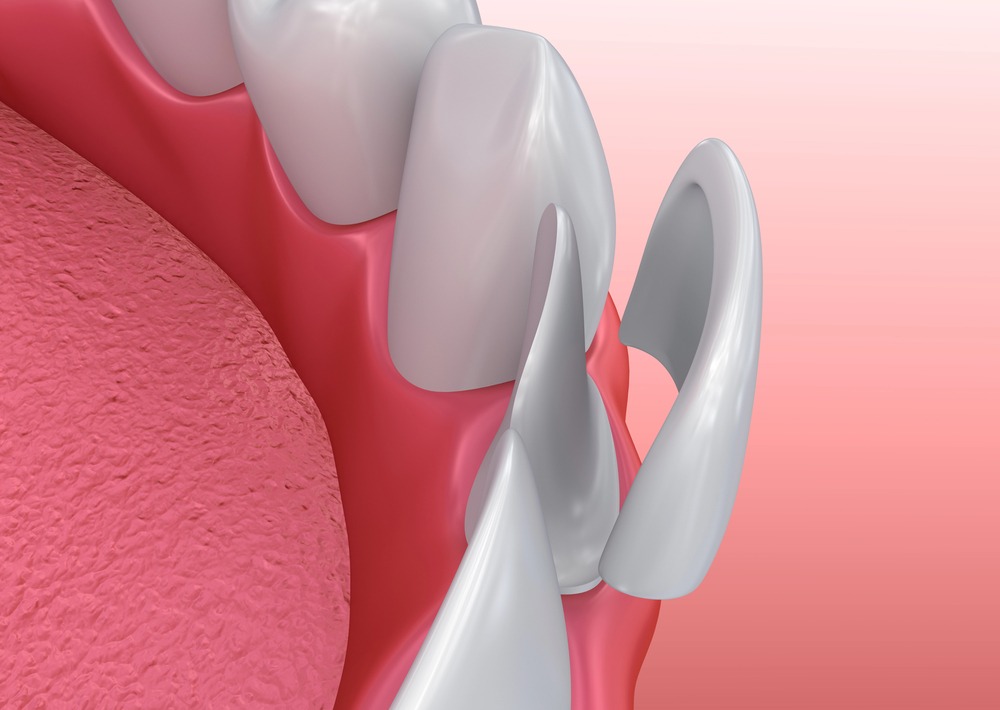
Dental veneers are an option for chips on front teeth that are too large for bonding or part of a broader cosmetic concern. A veneer is a thin porcelain shell placed over the front surface of the tooth. Veneers are durable and natural-looking, though they require removing a small amount of enamel.
Dental Crowns
When a chip removes a significant portion of the tooth, a dental crown may be the best option. A crown covers the entire visible tooth, protects the remaining natural tooth structure, and restores full function. Crowns are commonly used for large chips, fractures, or teeth with existing large fillings.
Root Canal Therapy (When the Pulp Is Exposed)
If the chip or break has exposed the pulp, a root canal removes the damaged tissue before a crown is placed. Without treatment, the exposed pulp becomes infected. A root canal addresses the source of the problem and allows the tooth to be saved rather than extracted.
Dental Implants (For the Most Severe Cases)
When a tooth breaks at or below the gum line with no structure left to restore, extraction followed by a dental implant may be necessary. An implant replaces the entire tooth with a titanium post and crown. It is the most durable long-term replacement when the natural tooth cannot be saved.
How Does a Dentist Decide Which Treatment Is Right for You?
Your dentist will take X-rays to assess the full extent of the damage, including whether the root is affected and how much healthy structure remains. Front teeth require more focus on aesthetics. Back teeth demand durability. Your dentist will walk you through the dental treatments that fit your specific situation.
Can You Fix a Chipped Tooth at Home?
You cannot repair a chipped tooth at home. Temporary dental kits can cover a sharp edge until your appointment, but they do not restore the tooth. Attempting a permanent fix risks further damage and introduces bacteria. The only real solution is professional treatment.
How to Prevent Chipping a Tooth in the Future
Wear a mouth guard during contact sports. If you grind your teeth, ask your dentist about a nightguard. Avoid chewing ice, hard candies, or non-food items. Regular visits help your dentist spot weakened teeth before they chip or break.
Schedule an Appointment with Ashley Harrison, DDS
If you have chipped a tooth, do not wait. Even small chips can worsen, and exposed dentin or pulp needs prompt attention. If you’re looking for a dentist in Chico, contact Ashley Harrison, DDS, to find out which chipped tooth repair is right for you. Read more on our blog about cavity vs stain, how to prevent tooth decay, cracked tooth, and how to choose a good dentist.
Frequently Asked Questions
Is a chipped tooth a dental emergency?
It depends on the severity. Small chips that cause no pain and leave no sharp edges are not typically an emergency, though you should still schedule within a few days. A chip that exposes the nerve, causes significant pain, involves heavy bleeding, or breaks a large portion of the tooth should be treated the same day if possible. If you cannot reach your dentist immediately, rinse with salt water, avoid chewing on that side, and use dental wax to cover sharp edges. Pain that does not respond to over-the-counter medication is a signal to seek care right away.
How long does it take to fix a chipped tooth?
Chipped tooth repair for small chips can often be completed in a single appointment lasting 30 to 60 minutes with dental bonding or recontouring. A dental crown typically requires two visits. If a root canal is needed first, that adds another appointment. Dental veneers also require two visits. Your dentist will give you a clear estimate once the damage is assessed. Most repairs are completed within one to three weeks from your initial visit.
Does fixing a chipped tooth hurt?
Most chipped tooth repair options are comfortable with minimal discomfort. For dental bonding and recontouring, no anesthesia is typically needed. For dental crown preparation, the tooth is numbed beforehand. If a root canal is required, nitrous oxide and oral sedation are available to keep you comfortable throughout. Some tenderness around the treated area is normal in the day or two following a more involved procedure. Over-the-counter pain relievers manage this well for most patients.
Can a chipped tooth get worse if left untreated?
Yes. A chipped tooth that looks minor can develop into a more serious problem over time. The chipped edge is structurally weaker than intact enamel, which means chewing pressure can extend the crack further. If the chip has exposed dentin, bacteria can work their way toward the nerve and cause infection. What starts as a simple dental bonding job can turn into a dental crown, root canal, or extraction if left alone. Getting it evaluated quickly protects the natural tooth structure that remains.
How much does it cost to fix a chipped tooth?
The cost varies depending on which dental treatments are needed. Enamel recontouring and dental bonding are typically the most affordable options. Dental crowns and dental veneers cost more. A root canal followed by a crown is one of the higher-cost paths. A dental implant is the most significant investment when a tooth cannot be saved. Most dental insurance plans cover at least a portion of restorative treatments. The best way to get an accurate estimate is to schedule an exam so your dentist can assess the damage and outline your options.