
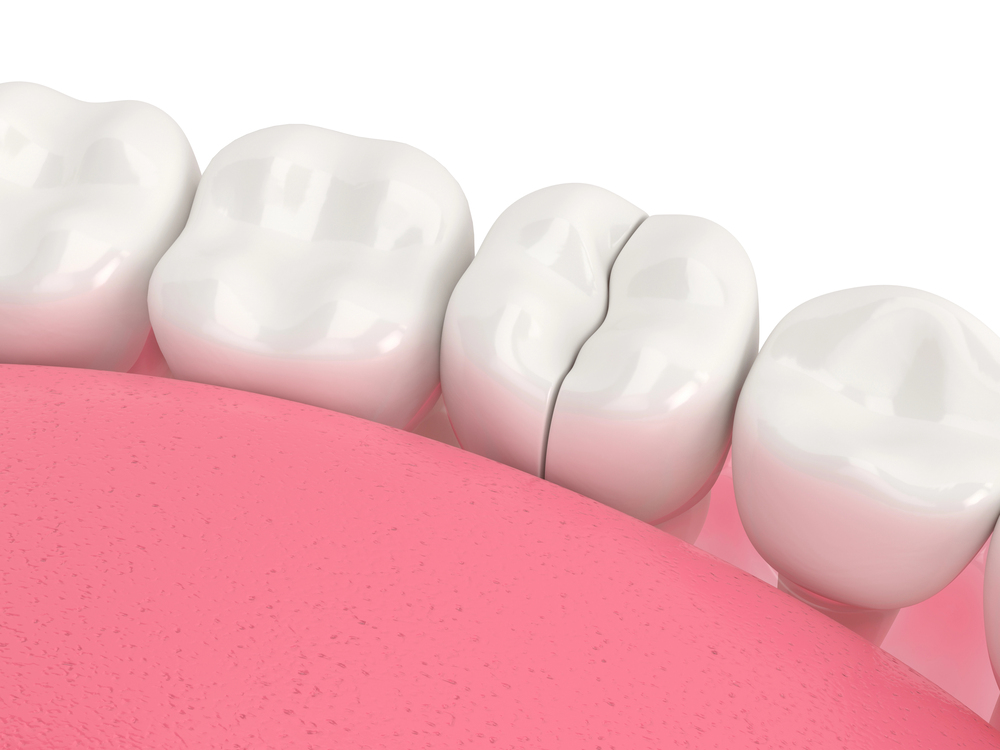
A broken dental crown is more common than most patients expect, and in most cases it is fixable. Whether your crown chipped on something hard or simply gave out after years of use, knowing what to do in the first few hours makes a real difference in how straightforward the repair will be.
Is a Broken Dental Crown a Dental Emergency?
Not always. The urgency depends on how much of the crown broke and whether the tooth underneath is exposed or in pain. A broken crown can range from a minor cosmetic issue to a situation that needs same-day attention.
Signs It Needs Same-Day or Urgent Care
Call your dentist the same day if you are in significant pain, if a sharp edge is cutting your tongue or cheek, if the entire crown has come off and left the tooth exposed, or if the tooth underneath is visibly damaged or bleeding. An exposed tooth is vulnerable to infection and temperature sensitivity and should not go unprotected for long.
When It Can Wait a Day or Two
If the crown has only chipped slightly, there is no pain, and no sharp edges are irritating your mouth, you can typically wait a day or two. However, even a small break leaves the underlying tooth structure more vulnerable than it was with a full crown in place.
What to Do Immediately When Your Crown Breaks
Save the Broken Piece If You Can
If a piece of the crown has broken off, rinse your mouth gently and rinse the piece with water, then store it in a small container or zip-lock bag. Bring it to your appointment. Depending on the size and condition of the piece, your dentist may be able to bond it back in place.
Protect the Exposed Tooth in the Meantime
Rinse with warm salt water to keep the area clean. If the exposed tooth is sensitive, avoid very hot or cold foods and beverages and chew on the opposite side. Dental wax or temporary crown cement, available at most pharmacies, can cover the exposed area and reduce sensitivity until you get to the dentist.
What Not to Do
Do not try to glue the crown back yourself with household adhesives. These are not safe for oral use and can make the dental crown repair more complicated. Avoid biting down on the broken crown and skip sticky or hard foods that could cause further damage or dislodge the remaining piece entirely.
Why Do Dental Crowns Break?
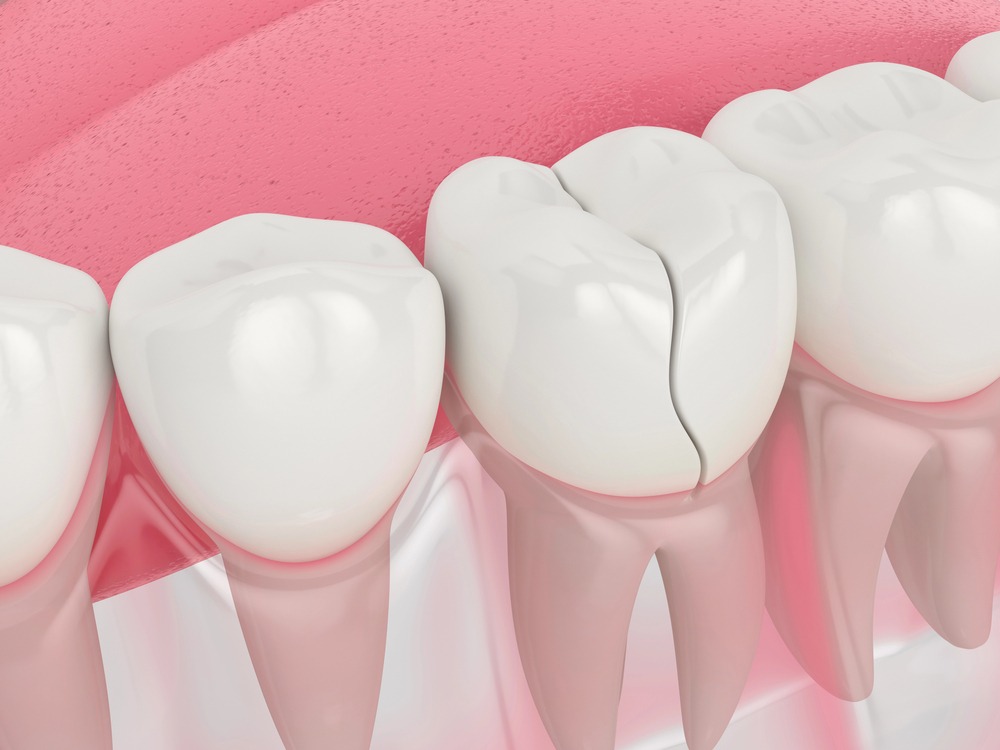
Crowns are durable, but they are not indestructible. Several factors can cause them to break, chip, or crack.
Biting Hard Foods or Objects
Biting down on ice, hard candies, popcorn kernels, or non-food items like pen caps puts sudden concentrated force on a crown. Even a well-fitted crown can crack or chip under that kind of pressure, particularly if it has been in place for several years and the material has experienced normal wear.
Teeth Grinding and Clenching (Bruxism)
Teeth grinding and clenching are the leading causes of crown damage. The repeated pressure of bruxism gradually wears down crown material and can cause a cracked crown. A night guard worn while sleeping reduces this risk significantly for patients who grind.
Decay Developing Under the Crown
Tooth decay can develop at the margins where the crown meets the tooth. When decay works its way underneath, it weakens the tooth structure supporting the crown and makes it much more susceptible to breaking under normal chewing pressure. Consistent oral hygiene and regular checkups help prevent tooth decay from reaching beneath a crown.
Age and Normal Wear
Most dental crowns last between 10 and 20 years. As they age, the material becomes more brittle, and the seal at the gum line can weaken, making the crown more likely to chip or break under stress.
How a Dentist Fixes a Broken Crown
Minor Chip or Crack: Repair Options
For a chipped crown or hairline crack, dental crown repair is often straightforward. Your dentist may smooth and polish the area or use composite resin to fill and reshape it. This works best when damage is cosmetic and the overall crown structure remains sound.
Significant Damage: Full Crown Replacement
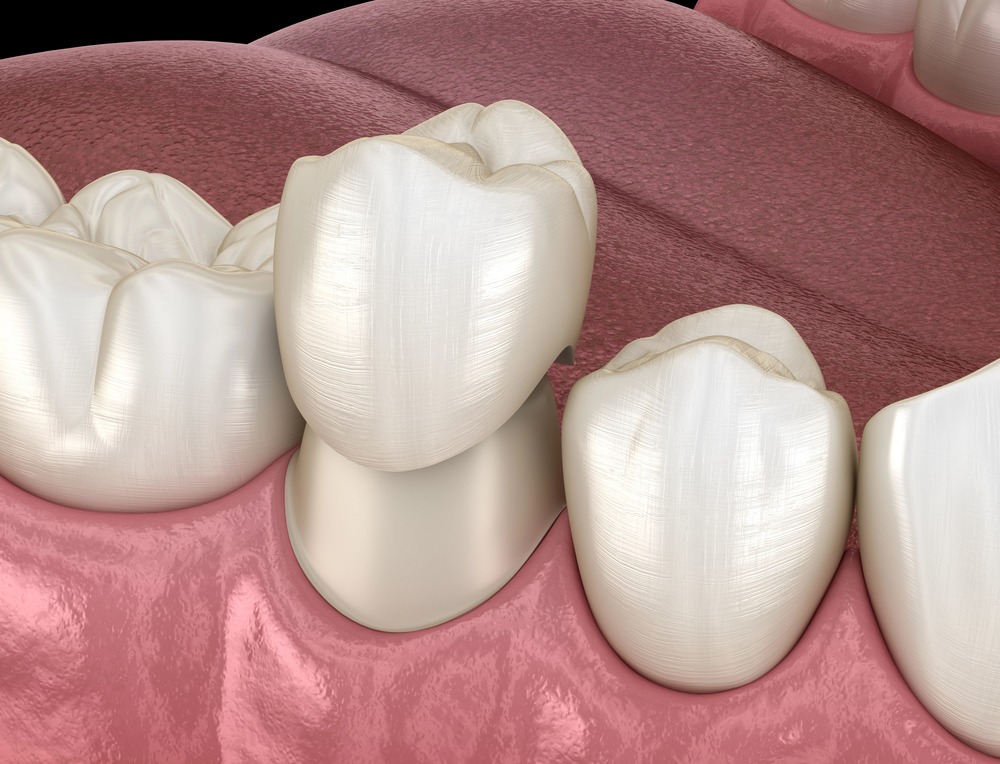
When the break is more significant and the crown cannot be reliably repaired or replaced in part, a full replacement is the right call. Your dentist will remove what remains of the old crown, prepare the tooth, and fit a new one. The process is similar to getting your original crown and typically requires one to two appointments.
When a Root Canal Is Needed First
If the break has exposed the pulp or the tooth has developed an infection beneath the crown, a root canal may be necessary before a new crown can be placed. This clears out the damaged tissue and addresses any infection so the tooth is ready to support a new restoration. Understanding root canal recovery helps you know what to expect in the days following the procedure.
When the Tooth Cannot Be Saved
In cases where damage extends deep into the root or the damaged tooth structure is too compromised, extraction may be the only option. A cracked tooth beneath a failing crown can sometimes reach a point where saving it is no longer viable.
How to Prevent Your Crown from Breaking Again
The most effective step is wearing a night guard if you grind. Teeth grinding is one of the most preventable causes of broken dental crown damage, and a custom-fitted guard absorbs pressure before it reaches the crown. Avoid chewing ice and hard candies, stay current with checkups, and keep up with your oral hygiene routine. Brushing and flossing protect the margins of the crown where tooth decay is most likely to develop.
Contact Ashley Harrison, DDS for a Broken Crown
If your crown has broken or chipped, do not wait to get it looked at. A dentist in Chico like Ashley Harrison, DDS can assess the damage, let you know whether the crown can be repaired or replaced, and restore your smile. Schedule your appointment today.
Frequently Asked Questions
Can a broken dental crown be fixed?
In many cases, yes. Whether a broken dental crown can be repaired depends on the extent of the damage and the condition of the tooth underneath. Small chips and minor cracks can often be smoothed, polished, or built up with composite resin in a single visit. More significant breaks usually require a full crown replacement. If tooth decay has developed beneath the crown or the underlying tooth is compromised, additional treatment like a root canal may be needed before a new crown can be placed. Your dentist will take X-rays and examine the area to determine whether repair or replacement is the right approach.
Why do dental crowns break?
Crowns break for several reasons. Biting down on hard foods like ice or hard candies puts sudden force on the crown material. Teeth grinding wears crowns down gradually until they crack or chip. Clenching weakens the cement that bonds the crown to the tooth, causing the crown to eventually lose its adhesion to the natural tooth. Tooth decay developing under the crown weakens the tooth structure that supports it, making it more prone to breaking. Age plays a role too since crown materials become more brittle over time. Regular dental visits help your dentist catch wear and early decay before they lead to a broken crown. Remember, no man-made product, like a crown or filling, will be able to withstand what your natural tooth could not.
What happens if you leave a broken crown untreated?
Leaving a broken dental crown untreated puts the underlying tooth at real risk. Without the full protection of the crown, the exposed tooth structure is vulnerable to bacteria, decay, and temperature sensitivity. If decay reaches the pulp, an infection can develop that may require a root canal or extraction. A broken crown that shifts can also affect how surrounding teeth align. What starts as a straightforward repair can become a much more involved procedure the longer it goes unaddressed.
Is it common for dental crowns to break?
Crown damage is more common than patients often expect. Crowns are strong, but they are not immune to the same forces that affect natural teeth. Hard food, grinding, decay, and age all take a toll. Most crowns last between 10 and 20 years before they need to be repaired or replaced, and many patients experience at least some chipping or wear over that period. A chipped dental crown is often a sign that the crown is reaching the end of its lifespan or that habits like grinding or clenching need to be addressed. Catching the problem early keeps the repair manageable.
How many times can a crown be replaced on a tooth?
A crown can typically be replaced more than once, but the number of times depends on how much healthy tooth structure remains. Each time a crown is placed, a small amount of additional enamel may need to be removed. Over time, if the tooth becomes too compromised by repeated crowning, tooth decay, or damage, there may not be enough structure left to support another restoration. In those situations, extraction and a dental implant may become the more practical long-term solution. Your dentist will assess the remaining tooth structure at each replacement to determine whether another crown is viable.