
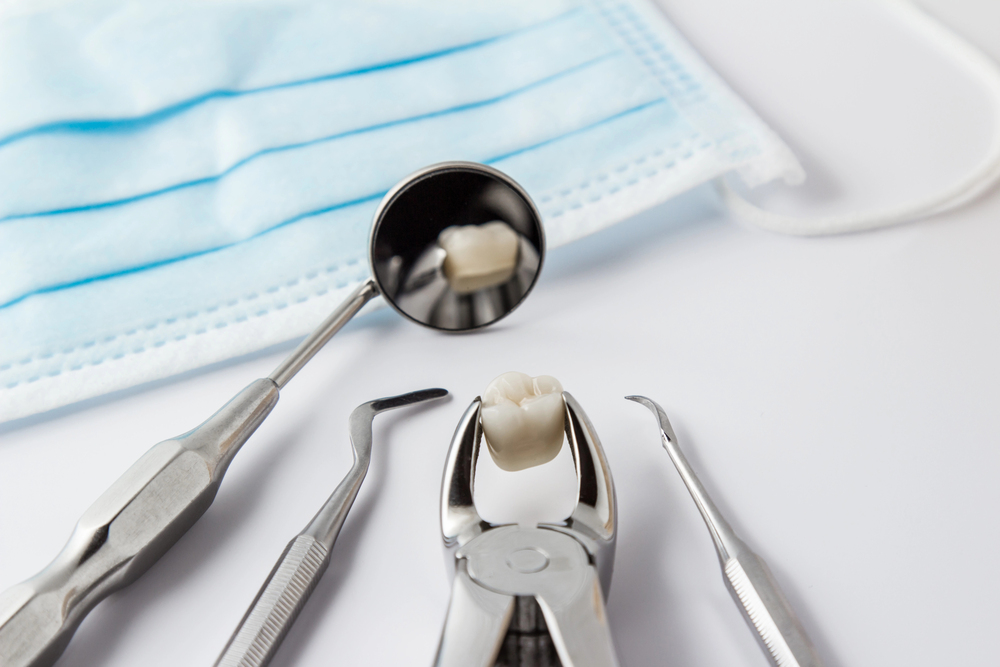
Knowing what to eat after tooth extraction is one of the most practical things you can do to protect your recovery. What you eat in the days after a tooth extraction directly affects how well and how quickly the socket heals. Eat the wrong things, and you risk disrupting the clot that closes the wound. Eat the right ones, and healing moves along smoothly.
Why What You Eat After a Tooth Extraction Matters
The extraction site is an open wound. The socket goes through a critical healing process that food choices can support or disrupt. Certain textures, temperatures, and ingredients put unnecessary stress on the area and can set your recovery back by days.
How a Blood Clot Protects the Socket
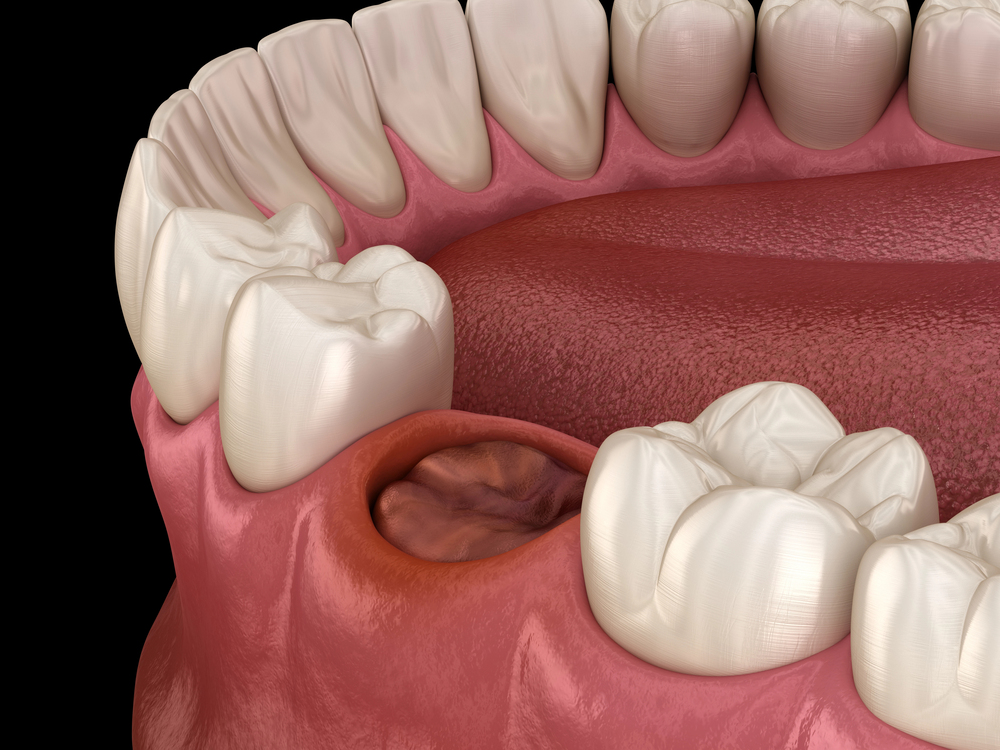
After having your tooth removed, a blood clot forms in the socket within the first hour. This clot is a protective barrier over the exposed bone and nerve tissue and is the foundation of the entire healing process. Eating hard or chewy foods too soon can dislodge the blood clot before the tissue underneath has a chance to heal. Protecting that clot in the first 24 to 48 hours is the most important thing you can do.
What Is Dry Socket and How Does It Happen?
Dry socket occurs when the blood clot dissolves or gets dislodged before the socket has healed. Without the clot, the underlying bone and nerves are exposed to air, food, and bacteria. It is one of the more painful complications after a tooth extraction and requires a follow-up visit to treat. Eating the wrong foods, using a straw, and rinsing too aggressively all increase the risk of dry socket.
Can I Eat After Tooth Extraction?
Can I eat after tooth extraction? Yes, but timing and food choice matter. The first few hours call for the most caution. As the extraction site heals, your options open up gradually over the following week.
When Is It Safe to Start Eating After Extraction?
Wait until the local anesthesia has fully worn off before eating. Chewing while numb may increase the risk of accidentally biting your cheek or tongue. Once feeling returns, start with soft, cool, or room-temperature foods. Avoid anything that requires chewing for at least the first 24 hours.
What to Eat in the First Hour After Extraction
Stick to cold or room-temperature liquids right after the procedure. Ice water, cold broth, or a cool smoothie without a straw are good options. Cold helps reduce swelling. Avoid anything hot, carbonated, or served through a straw, as the suction can dislodge the blood clot and trigger dry socket.
What to Eat After Tooth Extraction: Day-by-Day Guide
First 24 Hours: Liquids and No-Chew Foods
The first 24 hours are the most critical. Stick to cold or room-temperature liquids and no-chew foods. Good options include cold broth, applesauce, yogurt, pudding, and ice cream. Avoid anything hot, hard, crunchy, or served through a straw. No alcoholic beverages during this period either, as alcohol interferes with healing.
Days 2 to 3: Soft Foods With More Variety
By day two or three, introduce more variety while staying with soft foods. Mashed potatoes, scrambled eggs, soft fish, oatmeal, and well-cooked pasta are all good choices. Chew on the opposite side from the extraction site and avoid anything requiring significant biting force.
Days 4 to 7: Introducing Soft Solids
Most patients feel significantly better by day four. You can start introducing soft solids like soft bread, ripe fruit, and tender cooked meats. Keep avoiding sticky foods, anything crunchy, and spicy foods that might irritate the socket.
After Week One: Easing Back to Normal
After seven days, most patients can return to a normal diet with some care. If the extraction site still feels sensitive, hold off on very hard or crunchy foods a bit longer. If you had a wisdom tooth removed, recovery may take a bit longer. Follow your dentist’s specific guidance.
Best Foods to Eat After Tooth Extraction
Soups and Broths
Broth-based soups provide nutrition without requiring any chewing. Serve them lukewarm rather than hot. Plain broth is one of the safest options in the first day or two.
Yogurt, Pudding, and Smoothies (No Straw)
Yogurt and pudding are soft and gentle on healing tissue. Smoothies are a great way to get nutrients, just skip the straw and drink from a glass directly. Avoid smoothies with seeds that might lodge in the socket.
Mashed Potatoes and Pureed Vegetables
Mashed potatoes are filling, easy to make, and gentle to eat. Pureed vegetables like sweet potato work well, too. Serve at room temperature, never hot.
Scrambled Eggs and Soft Fish
Scrambled eggs are soft, high in protein, and quick to make. Soft fish like tilapia flakes easily and requires minimal chewing. Both are good options starting around day two.
Oatmeal and Soft Pasta
Oatmeal provides sustained energy and is easy on the socket. Cook until soft and let it cool before eating. Well-cooked pasta with a smooth sauce works well by days three and four.
Foods to Avoid After Tooth Extraction
Crunchy and Hard Foods
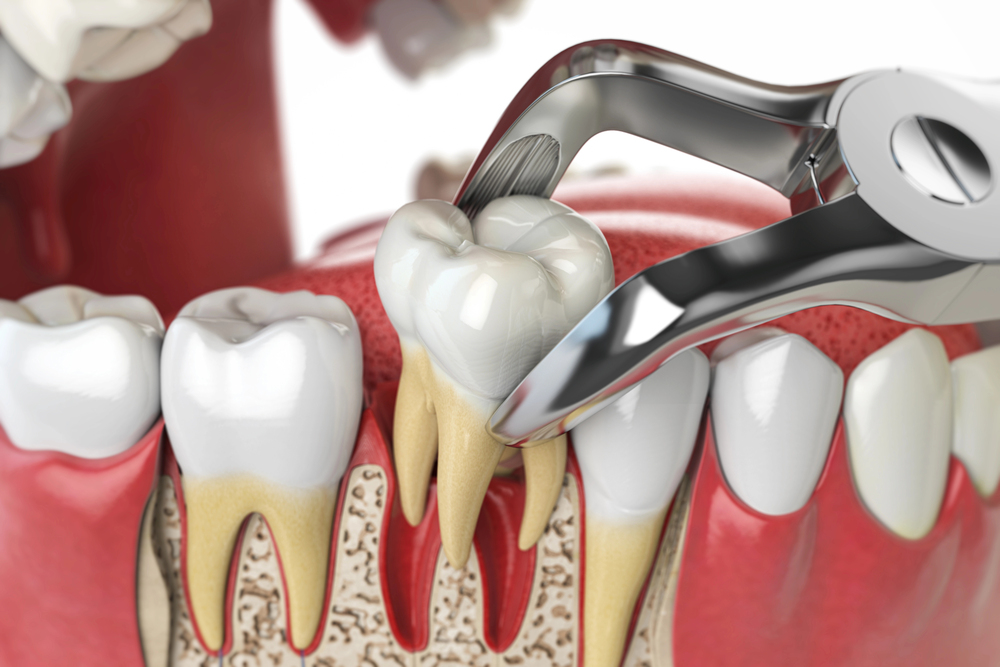
Chips, crackers, raw vegetables, nuts, and hard candies are off the table for at least the first week. These foods to avoid can lodge in the socket or apply pressure that disrupts the healing process.
Sticky and Chewy Foods
Sticky foods like caramel and gummy candies can pull at the clot and healing tissue around the extraction site. Avoid them for at least the first week.
Spicy and Acidic Foods
Spicy foods and acidic foods irritate exposed tissue and increase sensitivity at the extraction site. Hot sauce, citrus fruits, and vinegary foods fall into this category. Wait until the socket is well on its way to closing before reintroducing them.
Hot Foods and Beverages
Heat increases blood flow and can dissolve the clot before it stabilizes. Keep all foods and drinks at room temperature or cooler during the first 24 to 48 hours.
Carbonated Drinks, Alcohol, and Straws
Carbonated drinks agitate the socket. Alcoholic beverages thin the blood and interfere with the healing process. Straws create suction that can directly dislodge the blood clot and trigger dry socket. Avoid all three for at least the first 48 hours.
Questions About Recovery After Your Extraction? Contact Ashley Harrison, DDS
If something does not seem right during recovery, do not wait. Reach out to Ashley Harrison, DDS, in Chico for guidance. You can also read more about keeping your mouth healthy on our blog, including how to prevent tooth decay, how to spot healthy vs unhealthy gums, and how to choose a good dentist you can count on.
Frequently Asked Questions
Can I eat right after a tooth extraction?
Wait until the local anesthesia has fully worn off before eating. Chewing while numb makes it easy to bite your cheek or tongue without realizing it. Once feeling returns, start with cool or room-temperature liquids and no-chew foods like yogurt, applesauce, or broth. Avoid anything hot, crunchy, or sticky in the first 24 hours. The blood clot forming in the extraction site is at its most fragile right after the procedure.
What is the best food to eat the day after a tooth extraction?
The day after a tooth extraction, the best choices are soft foods that require little to no chewing. Scrambled eggs, mashed potatoes, yogurt, oatmeal, cottage cheese, and lukewarm broth are all solid options. These provide real nutrition without putting pressure on the extraction site. Avoid anything hard, crunchy, chewy, hot, or served through a straw.
How long do I have to eat soft foods after a tooth extraction?
Most patients need to stick to soft foods for about a week after a tooth extraction. The first three days are the most restrictive. By days four through seven, you can expand to soft solids. After the first week, most people can ease back toward their normal diet. If you had a wisdom tooth or a surgical extraction, recovery may take a bit longer. Your dentist will let you know when it is safe to return to solid foods based on how the socket is healing.
What foods should I absolutely avoid after a tooth extraction?
The most important foods to avoid are anything hard, crunchy, chewy, sticky, hot, spicy, or acidic. Chips, nuts, raw vegetables, gummy candies, spicy foods, and acidic foods all pose a risk to the extraction site. Alcoholic beverages should also be avoided as they interfere with the healing process. Straws are especially important to skip since the suction can dislodge the blood clot and lead to dry socket.
What is dry socket, and how does eating the wrong food cause it?
Dry socket happens when the blood clot in the extraction site is dislodged or dissolves before the socket has healed. Without that clot, the underlying bone and nerve are exposed, causing sharp, throbbing pain that can last several days without treatment. Eating hard, crunchy, or sticky foods can physically dislodge the blood clot. So, can using a straw or rinsing too aggressively. Following your post-extraction diet closely is the simplest way to avoid it. Visit our page on healthy vs unhealthy gums for more on supporting your oral health after dental work.