
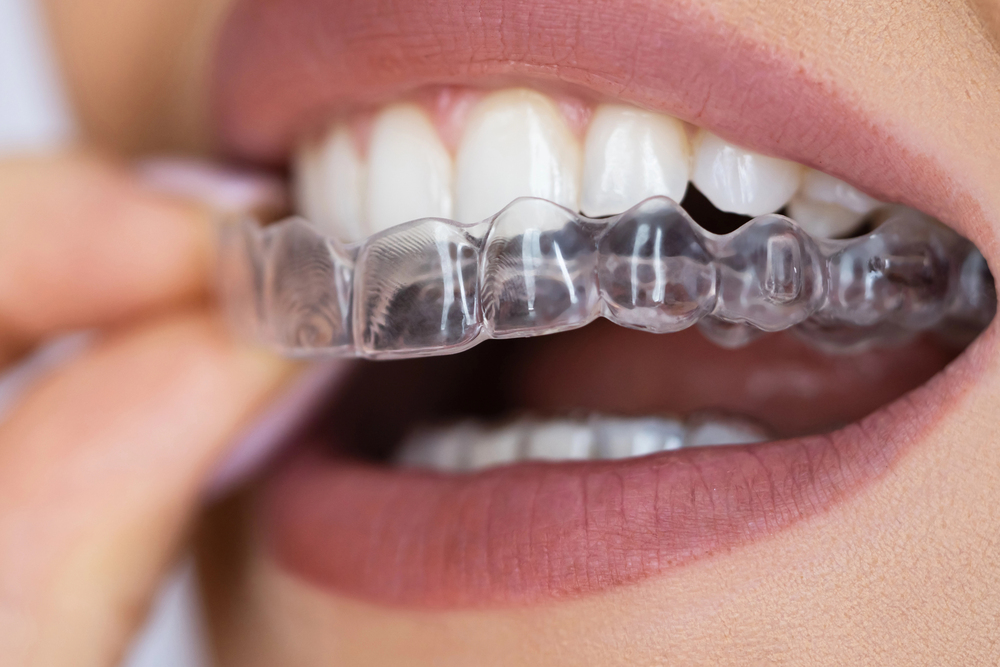
Night guard vs retainer is a comparison that trips up a lot of patients, and understandably so. Both are dental appliances worn over your teeth, both are often clear, and both tend to sit on the bathroom counter looking nearly identical. What they do, however, is very different.
Why People Confuse Night Guards and Retainers
The confusion almost always comes down to appearance. Both devices fit snugly over teeth, both are removable in most cases, and both get recommended by dentists. The difference between a night guard and retainer comes down to purpose. A retainer is designed to keep your teeth in position after orthodontic treatment. Night guards are designed to protect your teeth from the damage caused by grinding or clenching while you sleep. The guards vs retainers question always comes down to that core distinction.
What Is a Retainer?

A retainer holds teeth in their corrected position after braces or clear aligners have finished their work. Once orthodontic treatment ends, teeth have a natural tendency to drift back toward where they were. A retainer prevents that.
Types of Retainers: Removable vs Fixed
Removable retainers can be taken out for eating and cleaning. The most common types are Hawley retainers, which have a wire component, and clear plastic retainers that resemble aligners. Fixed retainers are thin wires bonded behind the teeth and stay in place around the clock. Your dentist will recommend the type that fits your situation.
What a Retainer Does and Does Not Do
A retainer maintains tooth position. It does not move teeth, fix bite issues, or protect against grinding. Clear plastic retainers offer minimal cushioning against grinding forces, and Hawley retainers offer none at all. Neither was built to absorb the repeated pressure of bruxism, and using either in place of a night guard puts both your teeth and your retainer at risk. A retainer may also be damaged by grinding forces it was never built to absorb. Good gum health plays a role in how well a retainer performs over time, since healthy tissue supports stable tooth position.
Who Needs a Retainer
Anyone who completed orthodontic treatment with braces or clear aligners needs a retainer. Without one, teeth shift. How quickly varies from person to person, but dentists recommend wearing a retainer indefinitely, at least at night, after treatment ends.
What Is a Night Guard?
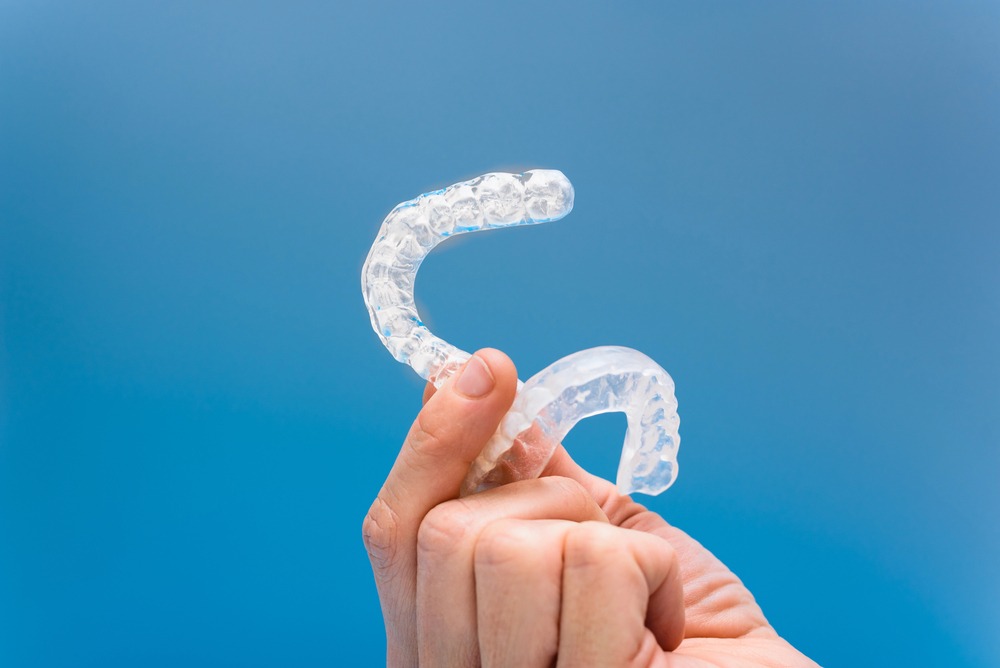
A night guard is a protective appliance worn over the teeth at night to cushion them against the forces of grinding or clenching. It does not move teeth. Its job is to protect your teeth, jaw, and joints from damage caused by bruxism.
How a Night Guard Protects Your Teeth
Night guards work by creating a barrier between your upper and lower teeth. When you grind or clench your teeth, the guard absorbs the pressure instead of your enamel. Over time, unprotected grinding wears enamel down, flattens biting surfaces, and can lead to a cracked tooth and jaw pain. Patients who grind heavily may eventually need dental crowns to restore teeth worn down beyond repair.
Signs You May Need a Night Guard
Common signs include waking up with jaw pain or headaches, a sore jaw in the morning, worn or flattened tooth surfaces your dentist notices on exam, tooth sensitivity that has no other clear cause, and a partner who reports hearing you grind at night. Grinding can also lead to dental issues that require more involved treatment if left unaddressed. Severe bruxism has even been linked to nerve damage that eventually requires a root canal.
Custom Night Guard vs Over-the-Counter: What Is the Difference
Over-the-counter mouth guards and night guards are available at most pharmacies and fit loosely using a boil-and-bite method. They provide some protection but often fit poorly, which makes them uncomfortable enough that patients stop wearing them. A custom night guard made by your dentist is fitted precisely to your teeth using impressions, which means it stays in place, feels more comfortable, and provides better protection. For patients with significant grinding, a custom appliance is the more effective and durable choice.
Night Guard vs Retainer: The Key Differences
Purpose
A retainer is designed to keep your teeth in position after orthodontic work. A night guard protects teeth from grinding or clenching forces. They address two completely separate dental issues and are not interchangeable.
Material and Thickness
Retainers are typically made from thinner, more flexible materials suited to holding tooth position. Night guards use thicker, harder materials built to absorb the repeated force of grinding. Using a retainer as a night guard exposes it to forces it was never designed to handle, which can warp or crack it.
Fit and How They Are Made
Retainers are fitted precisely after orthodontic treatment, matched to the exact position of corrected teeth. Night guards are fitted to protect teeth in their current position regardless of orthodontic history. Both are appliances worn over the teeth, but they are built to different specifications and serve different functions.
What Happens If You Use the Wrong One
Using a retainer as a night guard is one of the most common mistakes patients make. The retainer absorbs teeth at night grinding forces it was not built for and can warp, crack, or break, leaving your teeth without orthodontic support or protection. A retainer and a night guard each do one job. If you need both, you need both.
How Your Dentist Can Help You Figure Out Which One You Need
The right appliance depends on your specific situation. If you had orthodontic treatment and do not grind, a retainer is likely all you need. If you clench or grind but never had orthodontic work, a night guard is the starting point. If you do both, you may need both appliances. Your dental professional can examine your teeth for signs of grinding, review your dental history, and point you toward the right solution. Finding the right dentist makes a real difference here, since the right fit matters as much as the right appliance.
See Ashley Harrison, DDS for a Custom Night Guard or Retainer
If you are unsure whether you need a night guard, a retainer, or both, the best first step is a conversation with a Chico dentist who can take a look. Ashley Harrison, DDS, can assess your teeth for signs of grinding, check your oral health and orthodontic history, and fit you for the right appliance. Schedule your visit today.
Frequently Asked Questions
What is the difference between a night guard and a retainer?
The difference between a night guard and a retainer comes down to purpose. A retainer is designed to keep your teeth in the position established by orthodontic treatment. Without one, teeth shift back toward where they were before braces or clear aligners. A night guard protects your teeth from damage caused by grinding or clenching, known as bruxism. It cushions the teeth and absorbs clenching or grinding forces that would otherwise wear down enamel, cause jaw pain, or lead to cracks. They may look similar on a bathroom counter, but they are built from different materials for entirely different functions and are not interchangeable.
Can I use my retainer as a night guard?
No, and doing so is one of the most common dental appliance mistakes. Retainers are made from thinner materials designed to hold tooth position, not to absorb the repeated pressure of grinding. Using a retainer as a night guard exposes it to forces it was never built to handle, and it can warp, crack, or break, leaving you without orthodontic support or grinding protection. If you grind and only have a retainer, talk to your dental professional about getting a proper night guard fitted. A retainer and a night guard can be worn at different times, or your dentist may recommend a combined solution.
Do I need both a night guard and a retainer?
It depends on your situation. If you completed orthodontic treatment and also grind or clench your teeth at night, you likely need both. Some patients wear a retainer on one arch and a night guard on the other, while others alternate appliances. Your dentist can examine your teeth for signs of grinding and check whether your orthodontic results are holding to give you a clear recommendation. Skipping either appliance when you need both leaves a gap in your oral health protection. Your dentist can walk you through the most practical approach for your daily routine.
What are the signs I need a night guard?
Common signs include waking up with jaw pain or tension headaches, a sore jaw in the morning, worn or flattened tooth surfaces your dentist notices on exam, unexplained tooth sensitivity, and chipped or cracked teeth with no clear cause. Some patients also have a partner who reports hearing them grind during sleep. Left untreated, teeth grinding causes significant enamel loss, jaw pain, and damage that requires more involved dental treatment. If you notice any of these signs, mention them at your next visit. Your dentist can spot early signs of bruxism before the damage becomes serious.
Is a custom night guard better than an over-the-counter one?
Yes, for most patients with moderate to significant grinding, a custom night guard is the better option. Over-the-counter mouth guards use a boil-and-bite fit that is loose and often uncomfortable, which leads many patients to stop wearing a retainer or guard consistently. A custom guard is made from impressions of your teeth, fits precisely, stays in place, and provides consistent protection across the entire biting surface. Custom guards are also made from higher-quality materials and last significantly longer. The upfront cost is higher, but the protection and wearability are substantially better than a pharmacy product can offer.